
The interior design landscape in Thailand has undergone a profound transformation. As we navigate 2026, the debate between remote interior design and traditional approaches has evolved from speculative discussion to practical reality. This comprehensive analysis examines why virtual design has emerged as the preferred choice for an increasing number of Thai homeowners and businesses, comparing methodologies, outcomes, and value propositions across both approaches.
The Evolution of Interior Design in Thailand
Thailand’s interior design industry has historically followed a traditional model emphasizing in-person relationships, physical showrooms, and on-site presence. However, digital transformation has fundamentally disrupted this paradigm, creating new possibilities that align with contemporary lifestyles and expectations.
The COVID-19 pandemic accelerated adoption of remote services, but the shift has persisted and strengthened because virtual design offers genuine advantages beyond mere necessity. Understanding these advantages requires examining how each approach delivers value to clients.
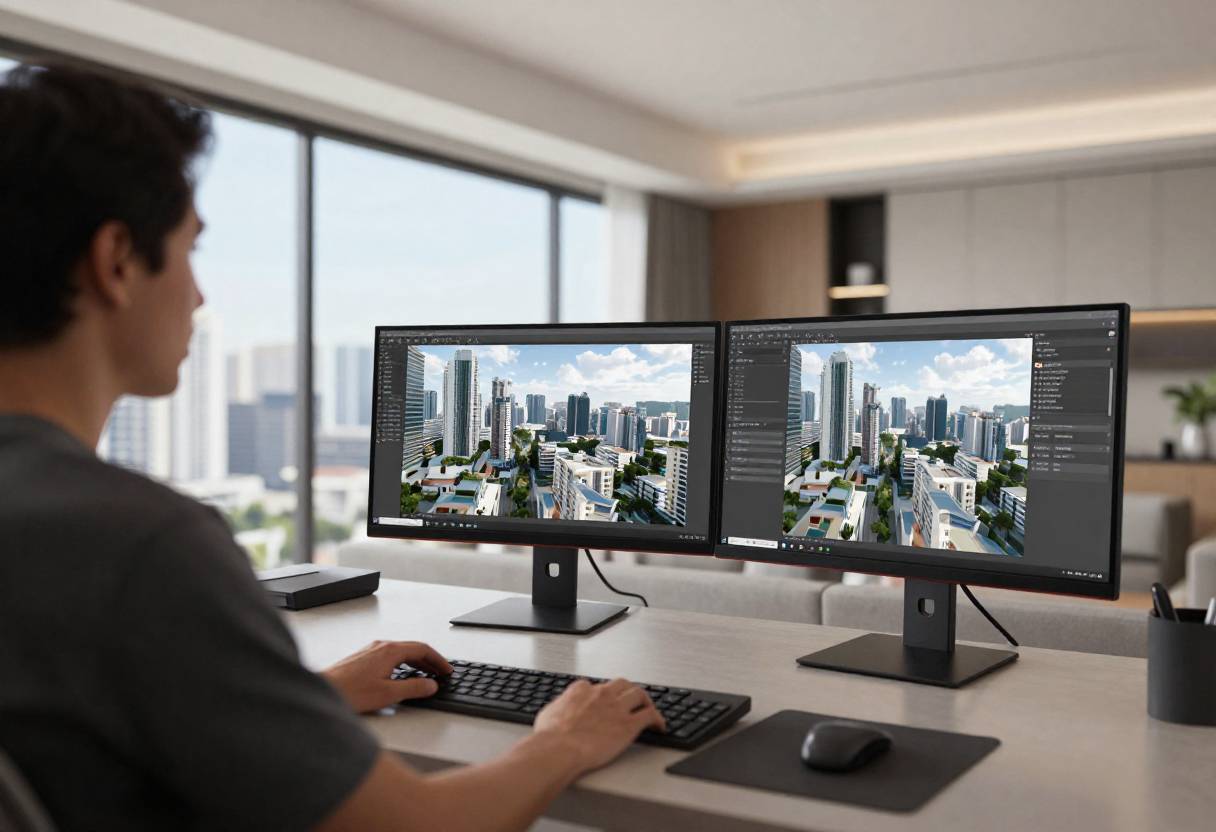
Traditional Interior Design: The Established Model
How Traditional Design Works
Traditional interior design follows a well-established process built on physical presence and face-to-face interaction:
Initial Consultation: Designer visits the client’s space to assess conditions, understand requirements, and establish rapport.
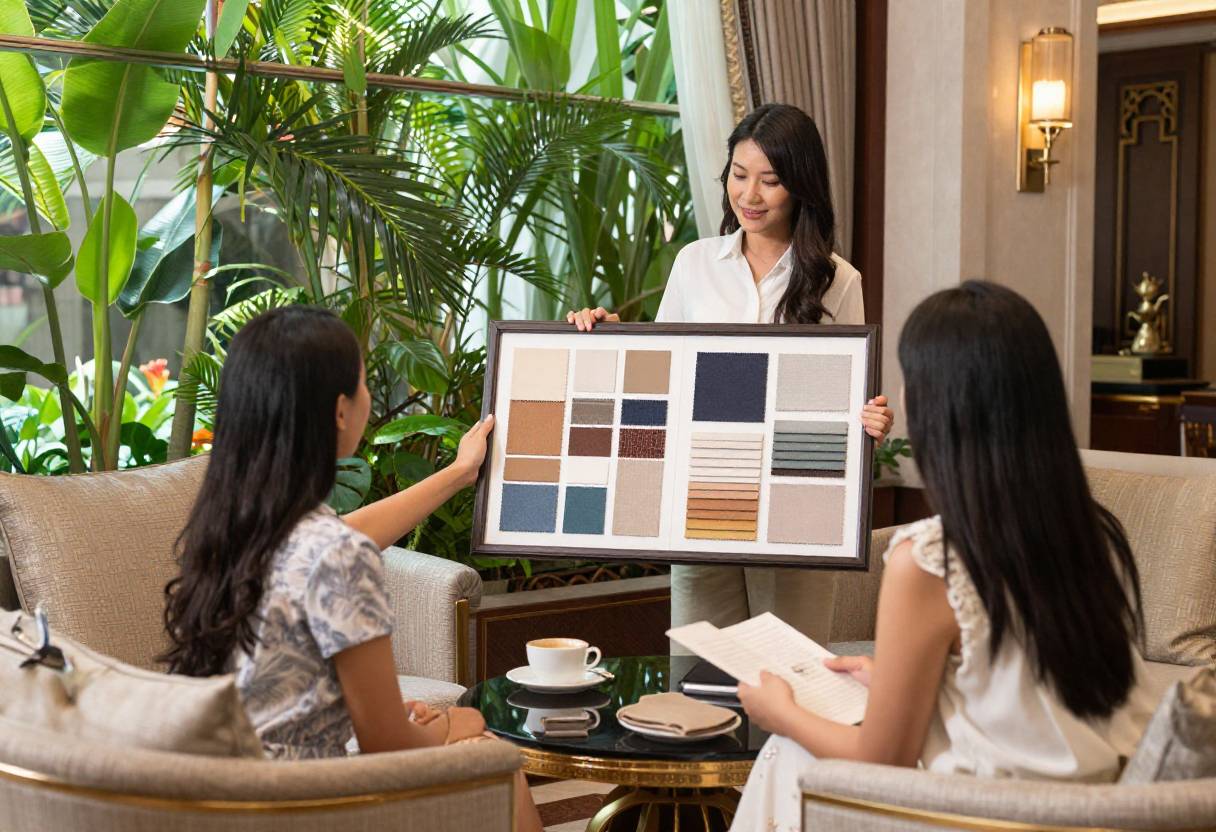
Concept Development: Designer creates mood boards and preliminary concepts, often presented in person with physical samples.
Design Development: Multiple rounds of revisions involving in-person presentations and discussions.
Procurement: Designer accompanies client on shopping trips or sources items independently, often adding markup.
Installation: Designer oversees installation in person, making real-time adjustments.
Strengths of Traditional Design
Tactile Experience: Physical material samples provide sensory information that digital representations cannot fully replicate.
Relationship Building: Face-to-face interaction can build stronger personal connections between designer and client.
Immediate Problem Solving: On-site presence enables instant response to unexpected challenges.
White-Glove Service: High-touch approach suits clients who prefer comprehensive hand-holding.
Limitations of Traditional Design
Geographic Constraints: Clients are limited to designers within reasonable travel distance.
Scheduling Challenges: Coordination of in-person meetings creates delays and inefficiencies.
Higher Costs: Travel time, site visits, and physical presentations add to project costs.
Time Investment: Multiple in-person meetings require significant client time commitment.
Remote Interior Design: The Digital Alternative
How Remote Design Works
Remote interior design leverages technology to deliver professional services through digital channels:
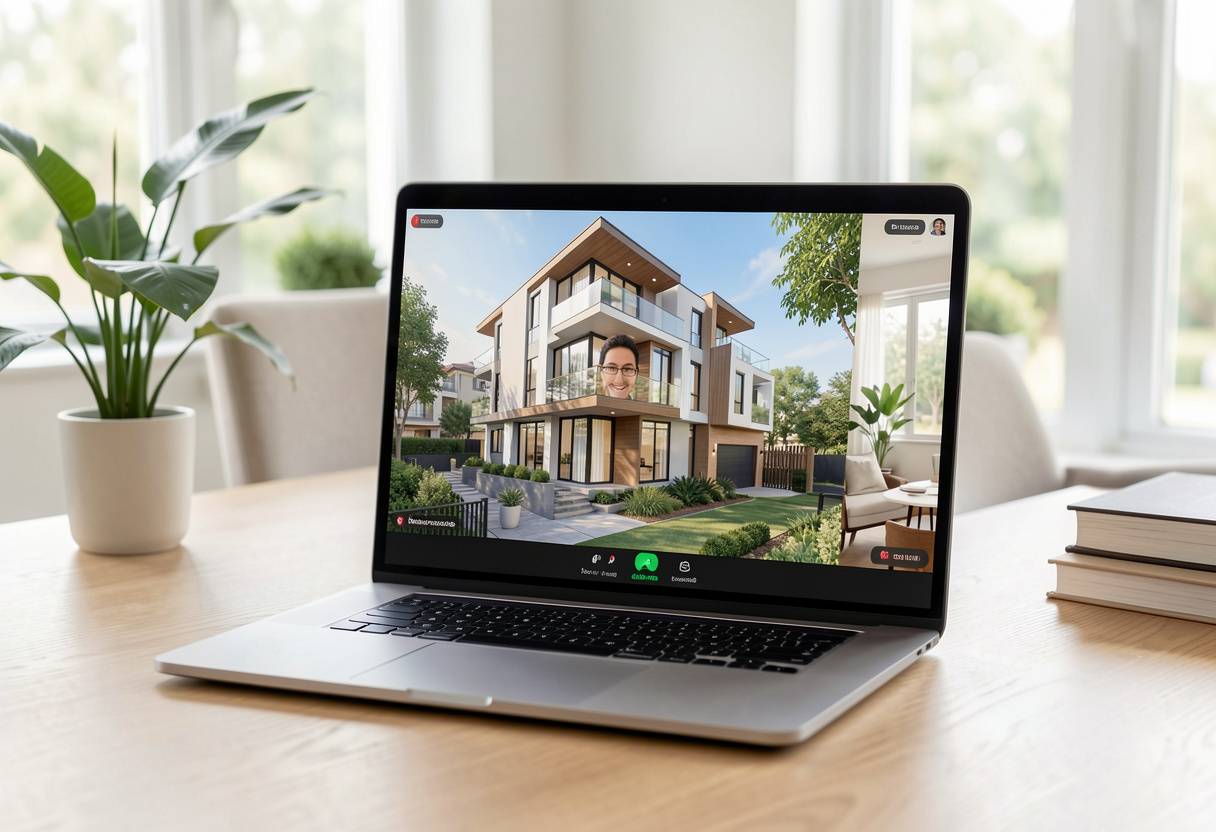
Virtual Consultation: Initial meeting conducted via video call, with clients providing photos, measurements, and video tours.
Digital Concept Development: Designer creates mood boards, 3D renderings, and floor plans using specialized software.
Online Collaboration: Concepts shared through digital platforms with feedback mechanisms for revisions.
E-Commerce Integration: Direct links to purchase furnishings and materials online.
Virtual Installation Support: Video call guidance and detailed instructions for implementation.
Strengths of Remote Design
Geographic Freedom: Clients can work with any designer regardless of location, accessing specialized expertise unavailable locally.
Time Efficiency: Elimination of travel and in-person meetings compresses project timelines significantly.
Cost Effectiveness: Lower overhead enables competitive pricing while maintaining quality.
Flexible Communication: Asynchronous digital communication accommodates busy schedules.
Technology Advantages: Sophisticated visualization tools often exceed what traditional methods offer.
Addressing Remote Design Concerns
“Can designers understand spaces without visiting?”
Modern remote designers employ comprehensive information gathering:
- Detailed client questionnaires
- 360-degree photography
- Video walkthroughs
- Precise measurement guides
- Floor plan analysis
Combined with designer expertise, these tools provide sufficient spatial understanding for most projects.
“What about material selection without physical samples?”
While physical samples offer tactile information, digital catalogs provide:
- High-resolution imagery showing true colors and textures
- Specification data on materials and performance
- Customer reviews and real-world photos
- Sample ordering services for critical decisions
“How is installation handled remotely?”
Remote designers provide:
- Detailed installation guides with diagrams
- Video call support during installation
- Coordination with local contractors
- Troubleshooting assistance
Comparative Analysis: Thailand Context
Bangkok Metropolitan Market
In Bangkok’s fast-paced environment, time efficiency carries premium value.
Traditional Design in Bangkok:
- Average project duration: 14-20 weeks
- Design fees: 15-25% of project cost
- Client time investment: 40-60 hours
- Travel costs: Included or added
Remote Design in Bangkok:
- Average project duration: 8-12 weeks
- Design fees: 10-18% of project cost
- Client time investment: 15-25 hours
- Travel costs: Eliminated
Regional Markets
For clients outside major metropolitan areas, remote design offers particular advantages:
Traditional Design Limitations:
- Limited local designer options
- Higher travel costs for Bangkok-based designers
- Longer timelines due to scheduling challenges
Remote Design Advantages:
- Access to Bangkok design expertise
- No geographic premium pricing
- Same efficiency as metropolitan projects
Cost Comparison for Thai Market
Typical Residential Project (3-bedroom condo, 2M THB budget):
| Factor | Traditional | Remote | Savings |
| Design fees | 300,000-500,000 THB | 200,000-360,000 THB | 100,000-140,000 THB |
| Timeline | 16 weeks | 10 weeks | 6 weeks |
| Client time | 50 hours | 20 hours | 30 hours |
Why Virtual Wins: Key Differentiators in 2026
1. Technology Maturation
By 2026, remote design tools have achieved sophistication that rivals or exceeds traditional methods:
3D Visualization: Photorealistic renderings enable accurate space visualization
AR Integration: Clients can preview designs in their actual spaces using smartphones
AI Assistance: Artificial intelligence supports space planning and optimization
Digital Sampling: Advanced displays accurately represent materials and colors
2. Generational Preferences
Digital-native generations increasingly prefer virtual interactions:
Millennial and Gen Z Clients: Comfortable with digital platforms, value efficiency
Work-from-Home Culture: Normalized virtual professional relationships
E-Commerce Expectations: Accustomed to purchasing high-value items online
3. Pandemic-Era Adaptations
The global pandemic created lasting changes in professional service delivery:
Established Infrastructure: Remote design systems built during pandemic remain robust
Client Comfort: Widespread experience with virtual services reduced hesitation
Regulatory Acceptance: Professional bodies recognize and support remote practice
4. Sustainability Considerations
Environmental consciousness increasingly influences design choices:
Reduced Carbon Footprint: Elimination of travel reduces emissions
Digital Documentation: Paperless processes minimize waste
Optimized Logistics: Efficient procurement reduces shipping and handling
5. Economic Realities
Post-pandemic economic conditions favor efficient service models:
Cost Sensitivity: Clients seek value without compromising quality
Budget Optimization: Lower design fees enable higher material quality
ROI Focus: Faster completion accelerates return on investment
When Traditional Design Remains Preferable
Despite remote design advantages, traditional approaches suit specific situations:
Complex Structural Projects: Major renovations requiring extensive on-site coordination
Ultra-Luxury Residential: Unlimited budgets where cost is secondary to white-glove service
Commercial Developments: Large-scale projects requiring constant on-site presence
Client Preference: Individuals who simply prefer traditional interaction methods
The Hybrid Approach
Many designers now offer hybrid models combining both approaches:
Initial On-Site Visit: Single comprehensive site assessment
Remote Design Development: Digital tools for concept and refinement
Virtual Presentation: Online concept sharing and revision
Remote Procurement: Online purchasing with delivery coordination
Installation Support: Virtual guidance supplemented by local contractor relationships
This approach captures benefits of both models while minimizing drawbacks.
Case Studies: Thailand Success Stories
Case Study 1: Bangkok Penthouse
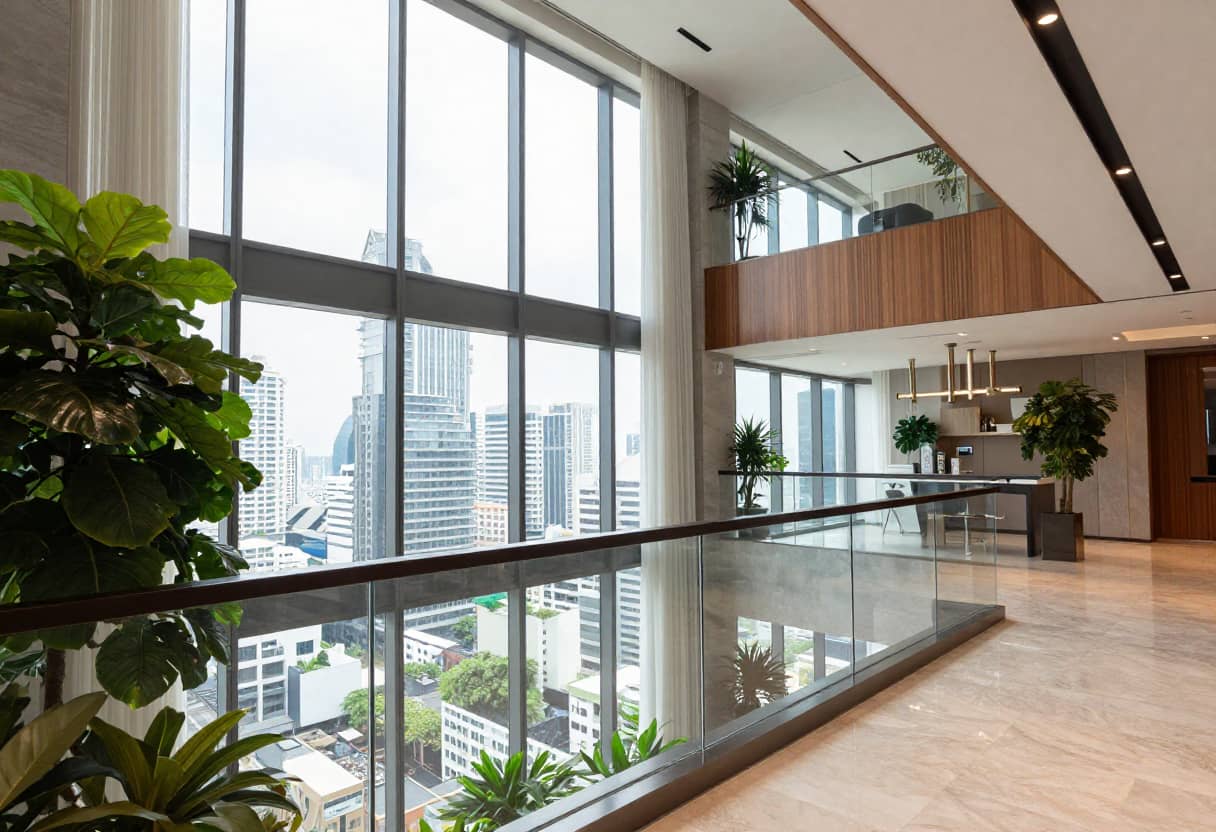
Project: Luxury penthouse renovation, Sathorn district
Client: Expatriate executive with limited availability
Approach: Remote design with hybrid elements
Outcomes:
- Completed 4 weeks faster than traditional timeline estimate
- 25% cost savings on design fees
- Client satisfaction: Excellent
- Designer utilized: London-based Thai designer
Case Study 2: Chiang Mai Boutique Hotel
Project: 15-room boutique hotel design
Client: Thai investors based in Bangkok
Approach: Fully remote design
Outcomes:
- Access to specialized hospitality expertise unavailable locally
- Completed on aggressive timeline
- Cost savings enabled higher specification furnishings
- Client satisfaction: Excellent
Case Study 3: Phuket Vacation Villa
Project: Beachfront villa renovation
Client: International owner, limited Thailand presence
Approach: Remote design with local contractor coordination
Outcomes:
- Seamless coordination despite client location
- Virtual presentations enabled decision-making from abroad
- Project completed during client absence
- Client satisfaction: Excellent
Implementation Best Practices
For Clients Choosing Remote Design
Provide Comprehensive Information: Detailed photos, measurements, and requirements enable better outcomes
Maintain Open Communication: Responsive feedback keeps projects moving efficiently
Embrace Technology: Comfort with digital tools enhances the experience
Set Clear Expectations: Understanding the process prevents misunderstandings
For Designers Offering Remote Services
Invest in Technology: Quality tools deliver quality results
Develop Clear Processes: Structured workflows ensure consistency
Build Trust: Transparent communication and reliable delivery create confidence
Offer Hybrid Options: Flexibility accommodates diverse client preferences
The Future Outlook
As we progress through 2026 and beyond, several trends will likely accelerate remote design adoption:
Improving Technology: Continued advancement in visualization and communication tools
Generational Shift: Digital-native clients becoming dominant market segment
Sustainability Focus: Environmental concerns favoring efficient service models
Globalization: Increasing demand for international design expertise
Cost Pressures: Economic factors driving efficiency in all industries
Conclusion: Making the Right Choice
The choice between remote and traditional interior design is no longer about compromise—it’s about selecting the approach that best serves specific project needs and client preferences.
Remote interior design has proven its capability to deliver professional results while offering genuine advantages in cost, time, and access to expertise. For a growing majority of projects, particularly residential and small-to-medium commercial work, virtual design represents the superior choice.
However, traditional design retains value for specific situations where physical presence provides irreplaceable benefits. The most successful designers and clients will be those who understand when each approach excels and choose accordingly.
As Thailand’s design industry continues evolving, the winners will be those who embrace efficiency and effectiveness—whether delivered through digital channels or traditional methods. In 2026 and beyond, virtual design isn’t just an alternative; for many, it’s the preferred path to exceptional interior spaces.
Ready to experience the benefits of remote interior design? Contact Instyle Deco Paris to discuss your project and discover why virtual design is winning in 2026. Explore our virtual design services and see how we combine international expertise with local understanding.
*Join the growing number of Thai homeowners and businesses choosing efficient, effective remote design for their interior projects.*