
Coastal interior design captures the relaxed, breezy essence of seaside living and transforms it into spaces that feel refreshing, grounded, and beautifully livable. Unlike kitschy nautical themes filled with anchor motifs and rope details, authentic coastal design draws from the natural environment—ocean hues, weathered textures, organic materials, and abundant natural light—to create interiors that feel sophisticated rather than themed. For homeowners seeking Interior Design Bangkok, this approach is especially valuable because it brings a calm, resort-like atmosphere into modern city homes while still remaining practical, elegant, and timeless.
The appeal of coastal design continues to grow. According to Elle Decor’s 2026 designer survey, 78% of interior designers report increased requests for “elevated coastal” aesthetics compared to traditional “beachy” styles. Meanwhile, Pinterest data shows searches for “coastal grandmother aesthetic” surged 45% in 2025. This shift reflects a desire for coastal spaces that feel curated and timeless rather than themed and temporary.
This guide explores the major coastal sub-styles, provides specific paint color recommendations from leading brands, offers room-by-room implementation strategies, and helps you achieve coastal sophistication at any budget.
What is Refined Coastal Design?
Refined coastal design is a contemporary interpretation of seaside living that uses natural materials, neutral foundations, and carefully selected accents to evoke the coast without themed decor. While it draws influence from historic coastal architecture in regions such as New England, the Mediterranean, and the French Riviera, its vocabulary is material led rather than symbol led. Architectural Digest describes this 2025 movement as a shift from novelty patterns to curated, textural rooms that feel serene and sophisticated.
What Are the Key Coastal Design Trends for 2025–2026?
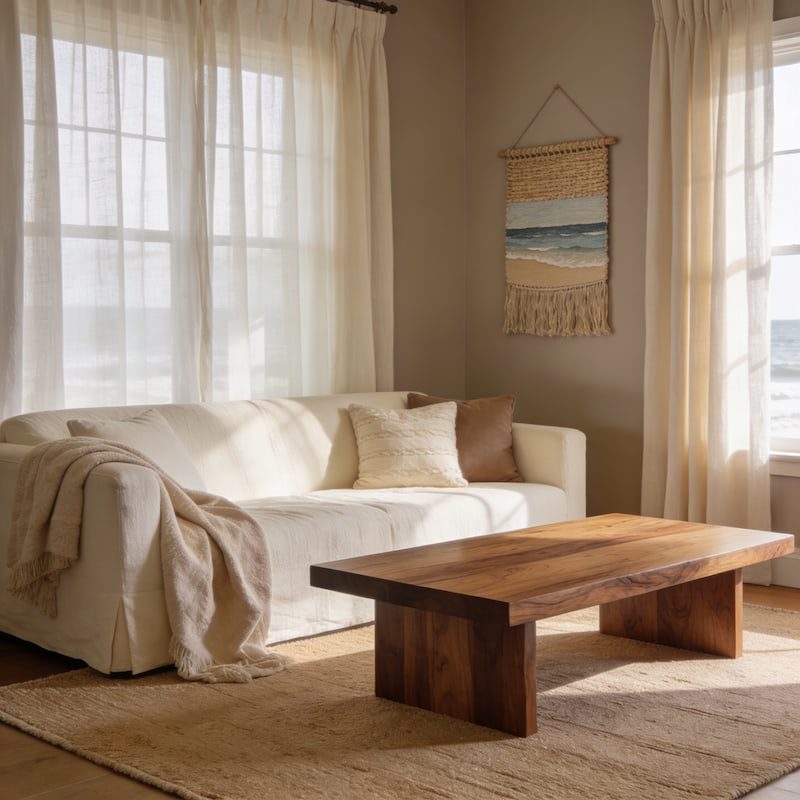
Coastal design continues evolving. These trends shape the direction for 2025 and beyond.
Elevated Shell Art and Sculptures
Moving beyond collected shells in jars, designers now incorporate sophisticated shell art:
- Framed shell specimens as wall art
- Sculptural shell and coral pieces on consoles
- Abstract interpretations rather than literal displays
The key is curation—one statement piece rather than collections.
Warmer Neutrals Replacing Cool Grays
The gray-washed coastal look of the 2010s gives way to warmer tones:
- Greige and taupe walls replacing cool gray
- Richer wood tones (walnut, oak) over whitewashed finishes
- Cream and sand textiles over bright white
This shift creates cozier, more inviting coastal spaces.
Richer Wood Tones
Natural wood warmth returns to coastal design:
- Medium-tone oak furniture
- Walnut accent pieces
- Honey-toned rattan and wicker
These warmer woods complement the shift toward warmer neutrals.
Sustainable and Eco-Friendly Materials
Environmental consciousness influences coastal design choices:
- Reclaimed wood furniture
- Organic and fair-trade textiles
- Natural fiber rugs from sustainable sources
- Vintage and antique pieces over new production
Biophilic Integration
Research shows biophilic design—connecting interiors with nature—increases productivity and wellbeing by 15% [^4^]. Coastal spaces naturally lend themselves to biophilic principles:
- Abundant natural light
- Natural materials and textures
- Indoor plants and living walls
- Views of natural elements (or art that mimics them)
- Natural ventilation and fresh air flow
What Is the Difference Between Coastal, Beachy, and Nautical Interior Design?
These terms often overlap, but distinct differences separate sophisticated coastal design from its more literal cousins:
| Style | Characteristics | Risk Level |
|---|---|---|
| Coastal | Natural materials, ocean-inspired palette, relaxed sophistication | Low – timeless when done well |
| Beachy | Literal beach references, shell collections, “beach house” signage | Medium – can feel themed |
| Nautical | Navy and white stripes, anchors, ropes, maritime symbols | High – easily becomes kitschy |
| Elevated Coastal | Refined materials, curated palette, designer furniture | Low – sophisticated and enduring |
True coastal design evokes the feeling of being near water without explicitly stating it. It whispers rather than shouts, using texture and tone to create atmosphere rather than obvious motifs.
What Are the Key Components of Coastal Interior Design?
Neutral Base Palette
Most coastal spaces begin with whites, creams, stone, and sandy beiges. These tones reflect natural light and create a quiet backdrop for texture. Homes and Gardens reports that designers increasingly rely on warm whites to soften strong daylight near the coast.
Layered Textures
Linen, jute, rattan, raw textiles, and lightly weathered timber add tactile depth. Texture layering prevents neutral palettes from feeling flat and gives the room a grounded natural quality.
Durable Finishes for Coastal Climates
Humidity, salt air, and UV exposure require finishes designed for longevity. Marine grade metals, sealed timbers, corrosion resistant coatings, and low VOC paints increase durability. Product guidance consistently recommends choosing 316 stainless steel hardware for exterior conditions because it resists salt better than standard 304 stainless steel.
Indoor and Outdoor Continuity
Sliding doors, open terraces, and thoughtful furniture placement help the interior transition smoothly toward outdoor views. This principle is central to coastal architecture in both Europe and Southeast Asia.
Selective Colour Accents
Instead of heavy nautical themes, modern coastal rooms use accents sparingly. Navy, charcoal, sea glass green, and sky tints are introduced through textiles or architectural details.
Which Coastal Color Palettes Work Best for Modern Homes?
Classic Coastal

Hex: #FFFFFF, #F4EADF, #0B3D91, #C9DDEB
Use a clean white base for walls, sand toned upholstery, and navy accents on framed furniture or cabinetry. Complement the palette with washed linen curtains and a sisal rug.
Driftwood Neutral with Green Accent
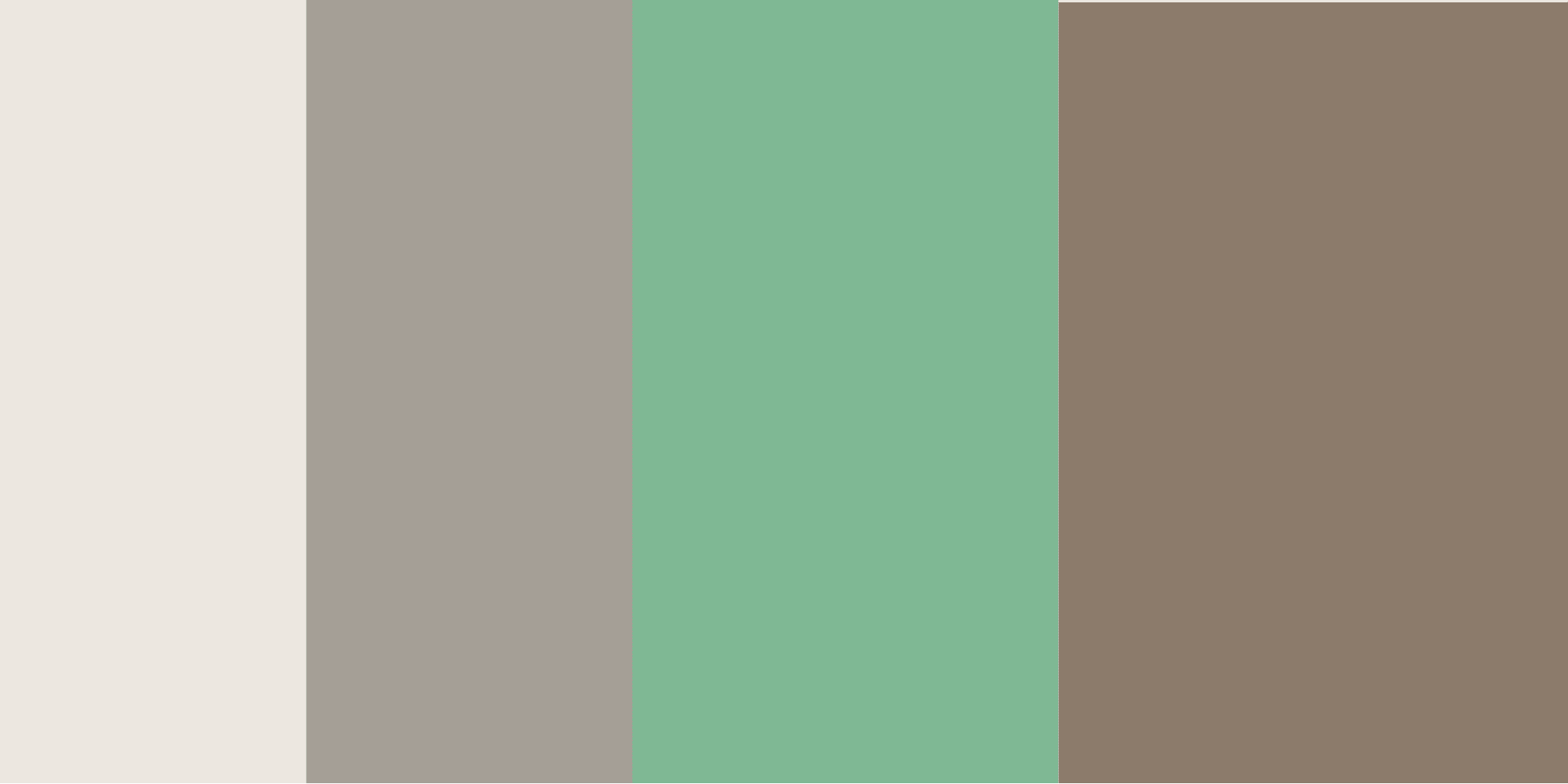
Hex: #ECE7E0, #A59F96, #7FB894, #8C7B6B
Driftwood tones provide warmth, while sea glass green adds a quiet coastal energy. Ideal uses include cushions, bathroom tiles, and hallway runners.
Modern Depth for 2025 and Beyond

Hex: #F8F5F1, #2F3A3E, #1C5A6A, #D6CFC6
A neutral base paired with deep teal or charcoal creates contemporary depth. Use performance velvet for accent chairs and linen for main seating for balance.
What Materials and Textures Are Essential for Coastal Interior Design?
Coastal design relies heavily on natural materials that bring texture and organic warmth to spaces.
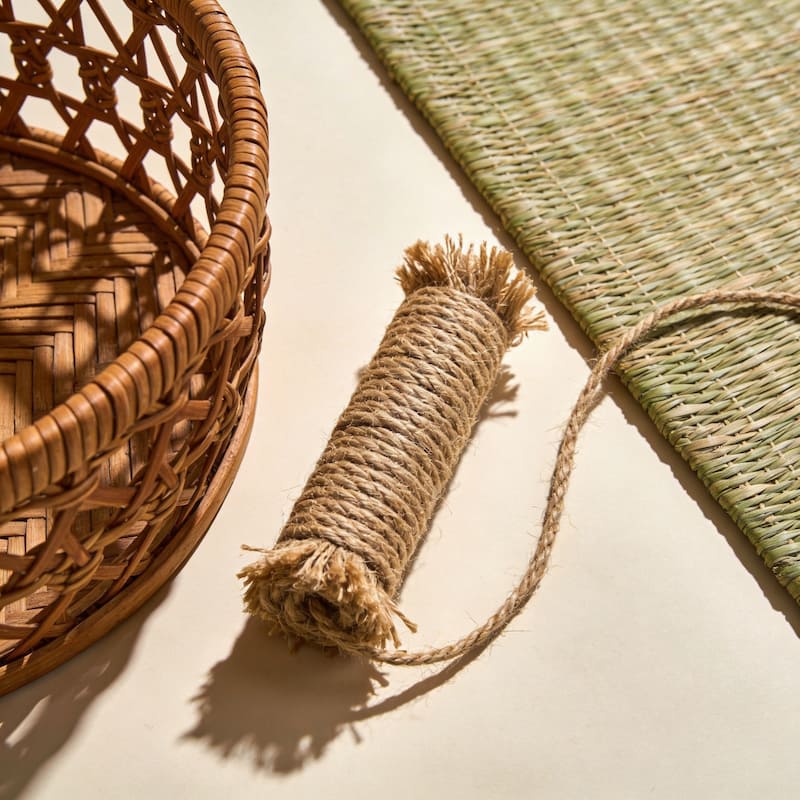
Natural Fibers: Rattan, Jute, and Seagrass
These materials provide the textural foundation of coastal interiors:
Rattan and Wicker: Use for furniture frames, light fixtures, and decorative accents. Rattan’s honey-toned warmth works across all coastal sub-styles.
Jute and Sisal: Natural fiber rugs ground seating areas while adding organic texture. Choose sisal for durability in high-traffic areas; jute for softer underfoot feel.
Seagrass: Woven seagrass baskets, placemats, and wall coverings bring subtle coastal reference without being literal.
Wood Finishes: Whitewashed, Weathered, and Natural
Wood tones significantly impact coastal style direction:
Whitewashed: Painted or limed wood creates the Hamptons look—bright, airy, and polished.
Weathered: Driftwood and reclaimed finishes suggest exposure to elements, perfect for casual California or tropical styles.
Natural: Light oak and walnut in their natural state suit modern coastal aesthetics with cleaner lines.
Textiles: Linen, Cotton, and Performance Fabrics
Fabric choices affect both aesthetics and practicality:
Linen: The quintessential coastal textile—breathable, textured, and effortlessly elegant. Use for upholstery, curtains, and bedding.
Cotton: Casual cotton canvas and duck cloth suit relaxed coastal spaces. Choose organic textures over polished finishes.
Performance Fabrics: For actual coastal homes or high-use areas, solution-dyed acrylics like Sunbrella provide durability without sacrificing style.
Metal Accents: Brass, Rope, and Driftwood
Metallic and organic accents complete the coastal look:
Brass and Gold: Warm metals complement coastal palettes. Use for lighting, hardware, and decorative objects.
Matte Black: Modern coastal often incorporates matte black for contrast and contemporary edge.
Natural Elements: Rope details, driftwood sculptures, and shell accents (used sparingly) add authentic coastal character.
Materials and Durability: Coastal Problems and Solutions
Coastal environments create three common challenges: humidity, salt corrosion, and UV exposure. The table below outlines recommended solutions.
| Problem | Recommended Materials or Products | Reason | Cost or Priority |
| Humidity and Timber Swelling | Engineered timbers, sealed FSC oak, marine plywood | Engineered cores remain dimensionally stable | Medium to High |
| Salt Corrosion of Metal | 316 stainless steel, powder coated aluminium, bronze fixings | 316 stainless steel resists chloride corrosion more effectively | Medium to High |
| UV Fading | Solution dyed acrylic fabrics, UV stable paints, treated glass | Textiles hold colour longer and reduce replacement cycles | Medium |
| Mould and Damp Interiors | Low VOC mould resistant paints, vapour permeable membranes | Improves moisture movement and protects surfaces | Medium |
Procurement Notes: Always request salt spray and UV data from suppliers. For exterior hardware specify 316 stainless steel. For exposed cushions choose solution dyed acrylics.
How Can You Apply Coastal Design Room by Room?
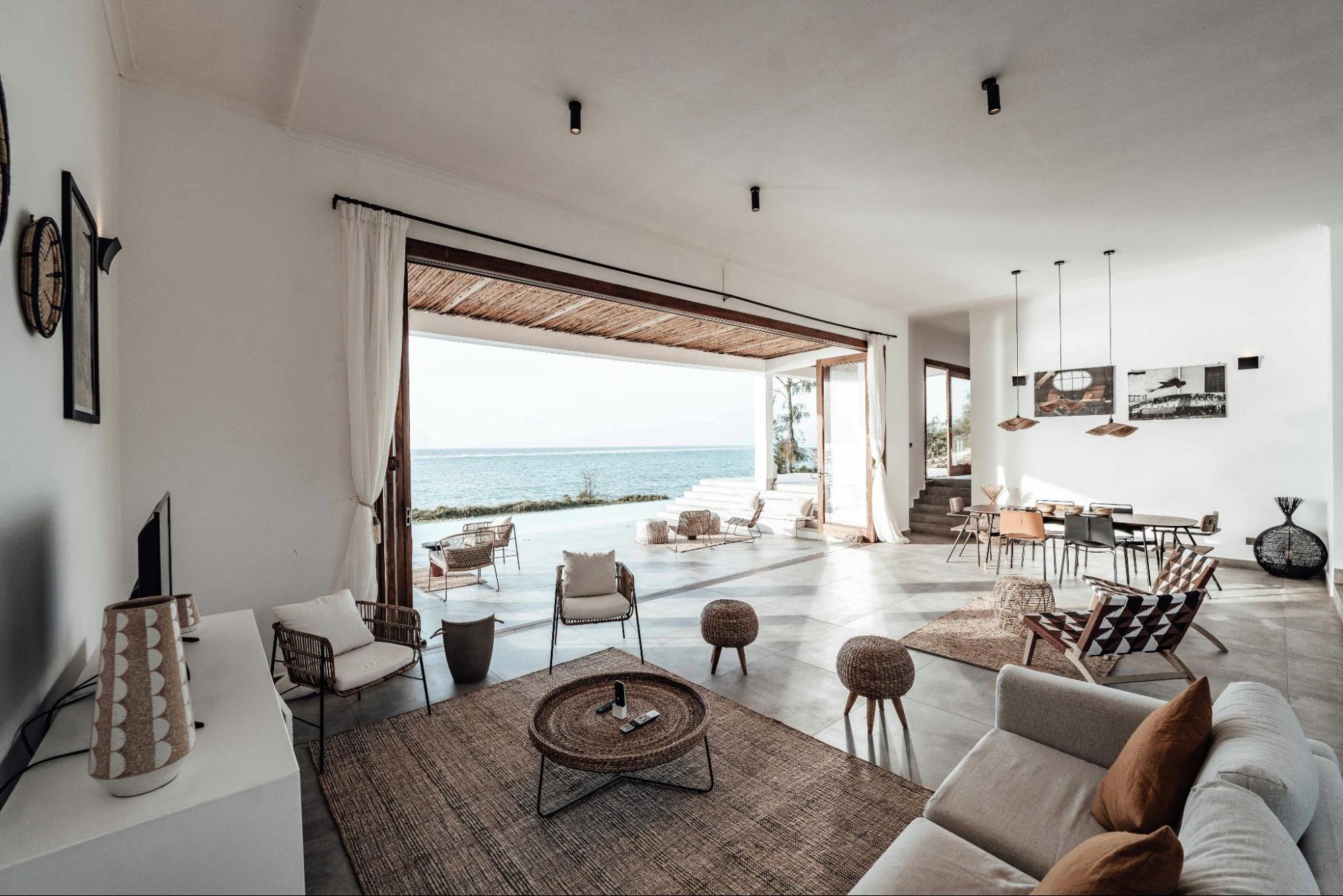
Living Room
Design Intent: sociable, calm, and visually connected to the outdoors
Layout: orient sofas toward natural views and keep furniture low to maintain sightlines
Materials: oak coffee tables, linen sofas, rattan side chairs, jute rugs
Lighting: layered ambient lighting, dimmable warm lamps, and minimal window treatments
Maintenance: washable slipcovers and solution dyed fabrics reduce fading
Key Elements:
- Slipcovered sofas in white or natural linen
- Natural fiber area rug (jute or sisal)
- Wicker or rattan accent chairs
- Driftwood coffee table or console
- Blue and white ceramic lamps or vases
- Sheer white curtains for light filtration
Layout Tip: Arrange furniture for conversation while maximizing natural light. Coastal living rooms should feel open and airy.
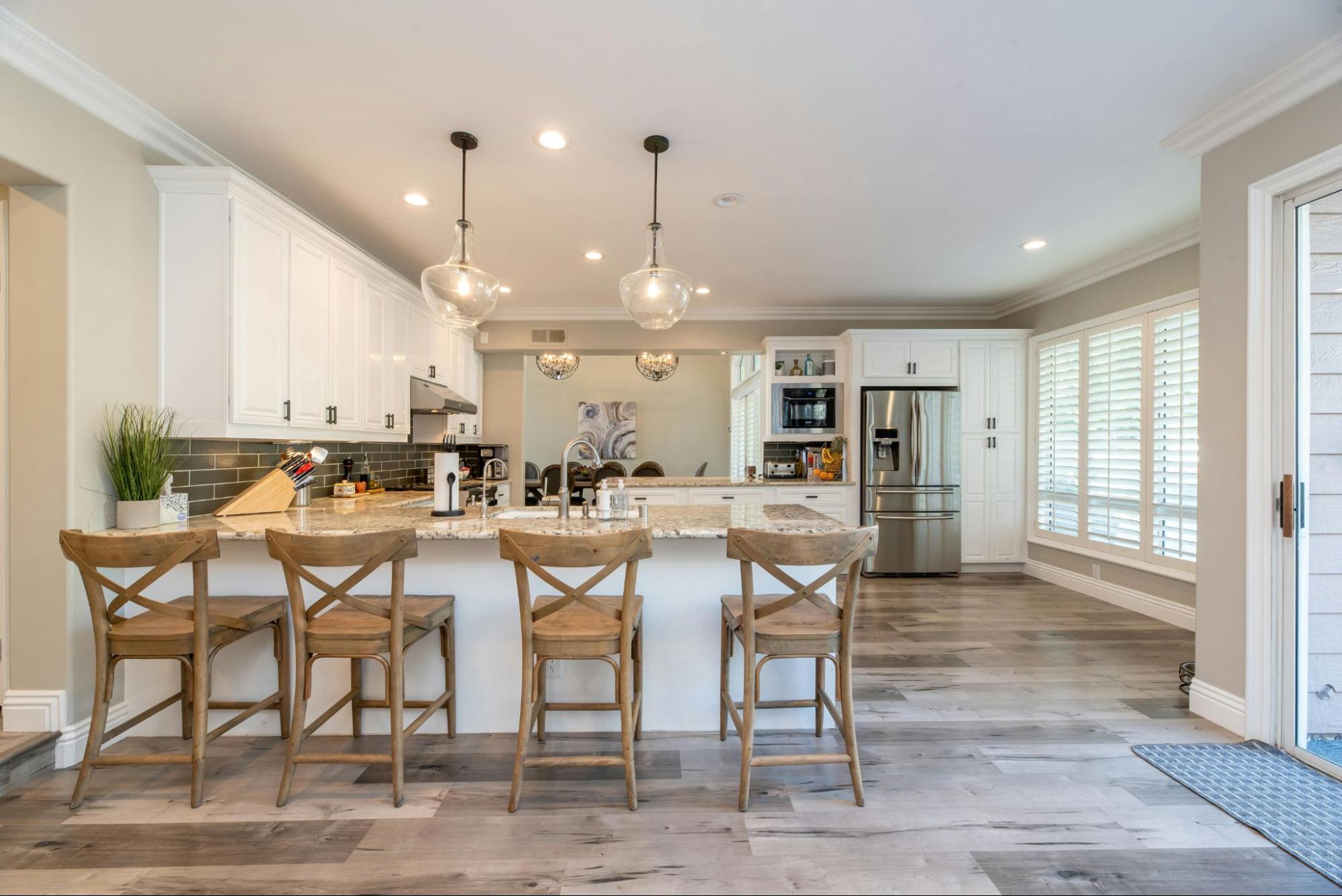
Kitchen
Design Intent: bright, durable workspace that reads coastal without themes
Surfaces: porcelain, engineered stone, sealed timber shelves
Hardware: powder coated aluminium or 316 stainless steel handles
Maintenance: avoid untreated softwoods near sinks and include strong ventilation to manage humidity
Key Elements:
- White or navy cabinetry
- Butcher block or marble countertops
- Open shelving with white dishware
- Rattan or woven bar stools
- Brass or polished nickel hardware
- Pendant lighting with natural materials
Practical Note: Coastal kitchens should prioritize functionality, use performance fabrics for seating and easy-clean surfaces.

Bedroom
Design Intent: peaceful sanctuary with tactile layering.
Key Elements:
- White or light blue linen bedding
- Woven headboard or rattan bed frame
- Natural wood nightstands
- Soft, layered textiles (knit throws, quilted coverlets)
- Seashell or coral accents (sparingly)
- Soft, warm lighting
Color Approach: Bedrooms suit softer coastal palettes—pale blues, warm whites, and sandy neutrals create restful environments.
Furnish with linen upholstered headboards, sealed timber nightstands, and blackout linen curtains. Consider louvred shutters for airflow.
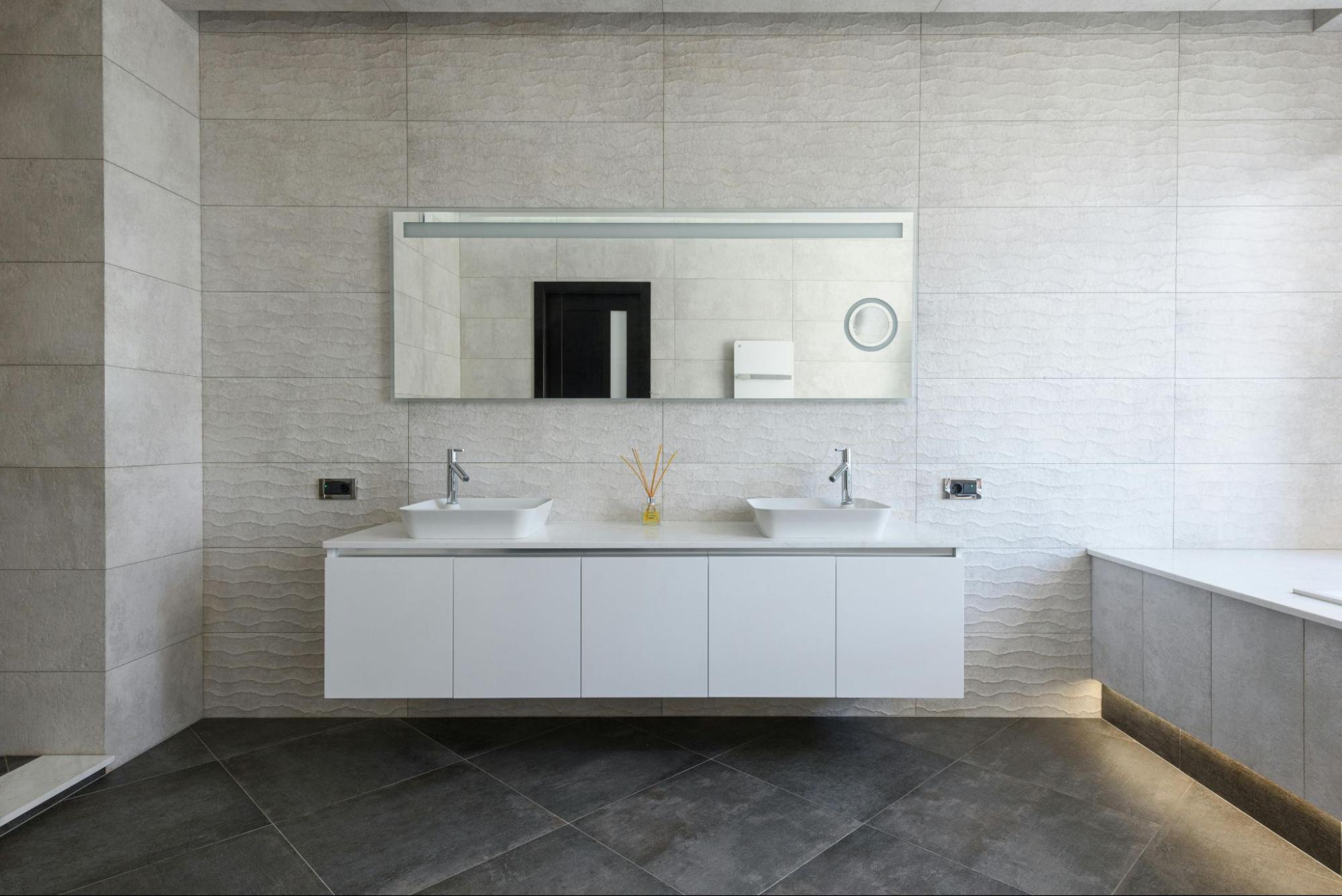
Bathroom
Design Intent: minimal, spa like, and practical in humid conditions.
Key Elements:
- White subway tile or shiplap walls
- Natural wood vanities
- Woven baskets for storage
- Blue and white Turkish towels
- Seashell soap dishes or trays
- Plants that thrive in humidity
Material Choice: Use moisture-resistant natural materials like teak for shower benches and bath mats.
Choose porcelain tiles, corrosion resistant fixtures, and moisture friendly joinery.

Terrace and Outdoor Living
Design Intent: seamless transition from interior to exterior living.
Key Elements:
- Weather-resistant wicker furniture
- Outdoor-rated natural fiber rugs
- Blue and white striped cushions
- Lantern-style lighting
- Potted coastal plants (succulents, grasses)
- Outdoor curtains for privacy and softness
Durability Focus: Choose marine-grade materials and fabrics designed for salt air and sun exposure.
Use engineered teak, powder coated frames, and solution dyed cushions. Ensure proper drainage under built in seating.
What Are the Main Coastal Design Sub-Styles?
Coastal design encompasses several distinct regional interpretations, each with unique characteristics while sharing the core philosophy of relaxed naturalism.
Hamptons Style: Classic American Elegance
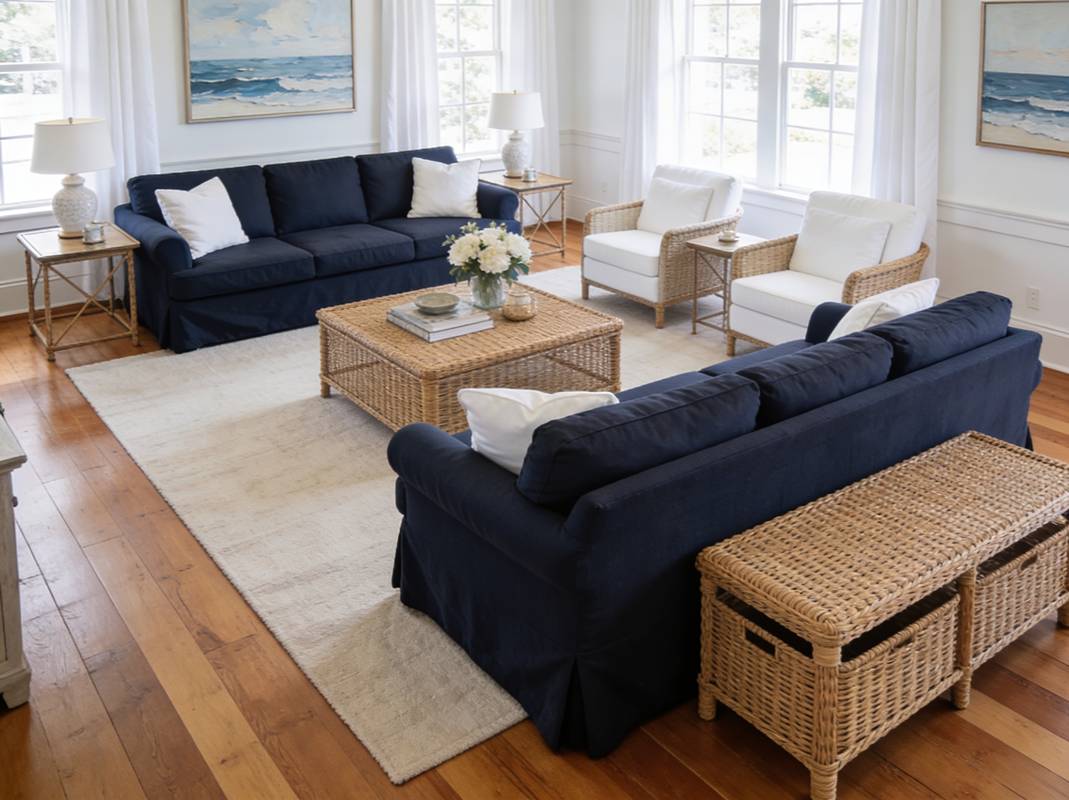
The Hamptons style originates from the upscale beach communities of Long Island, New York, and represents coastal sophistication at its most polished.
Key Characteristics:
- Navy blue and crisp white as dominant colors
- Tailored upholstery with slipcovered furniture
- Wicker and rattan accents
- Shiplap walls and paneling
- Preppy, polished aesthetic
- Symmetrical arrangements
Materials: Painted woods, natural linen, sisal rugs, polished nickel hardware
Best For: Formal living rooms, elegant beach houses, traditional homes seeking coastal touches
California Coastal: Indoor-Outdoor Living
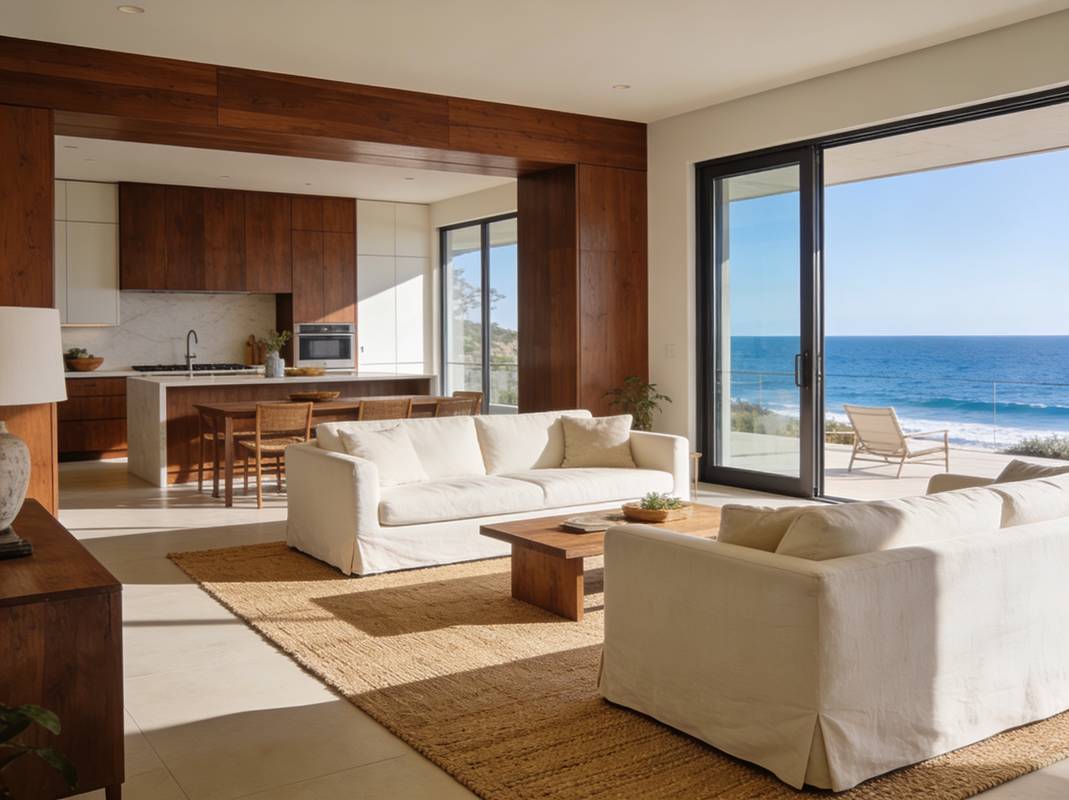
California coastal design reflects the West Coast’s casual lifestyle and emphasis on seamless transitions between interior and exterior spaces.
Key Characteristics:
- Light, bleached woods and white walls
- Indoor-outdoor flow with large openings
- Casual, low-slung furniture
- Abundant natural light
- Minimal window treatments
- Relaxed, unfussy arrangements
Materials: Oak and walnut woods, cotton canvas, jute and abaca rugs, matte black accents
Best For: Open-plan homes, properties with ocean views, casual family living
Mediterranean Coastal: European Warmth
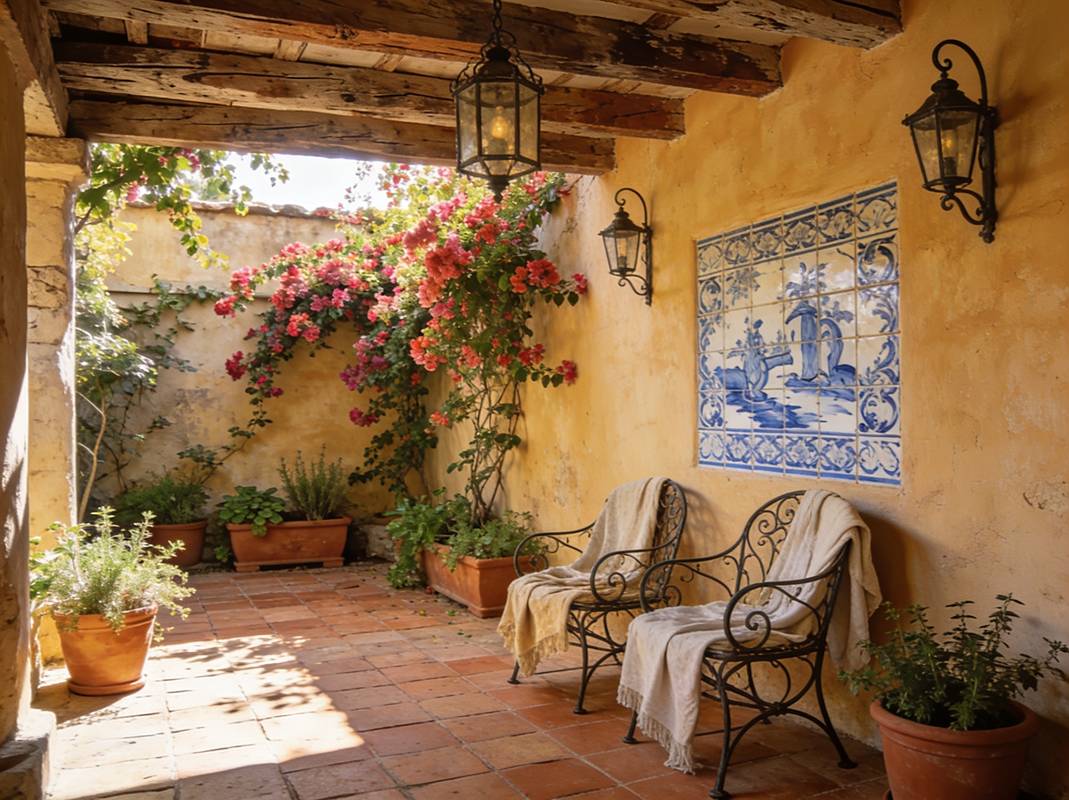
Drawing from Greek islands, Southern Spain, and the Italian coast, Mediterranean coastal brings warmth and old-world character.
Key Characteristics:
- Terracotta, ochre, and cream tones
- Arched doorways and windows
- Textured stucco walls
- Hand-painted tiles
- Wrought iron details
- Rustic, timeworn finishes
Materials: Terracotta tiles, weathered wood, linen, ceramic, wrought iron
Best For: Warm climates, homes with architectural character, those seeking old-world charm
Modern Coastal: Clean Sophistication
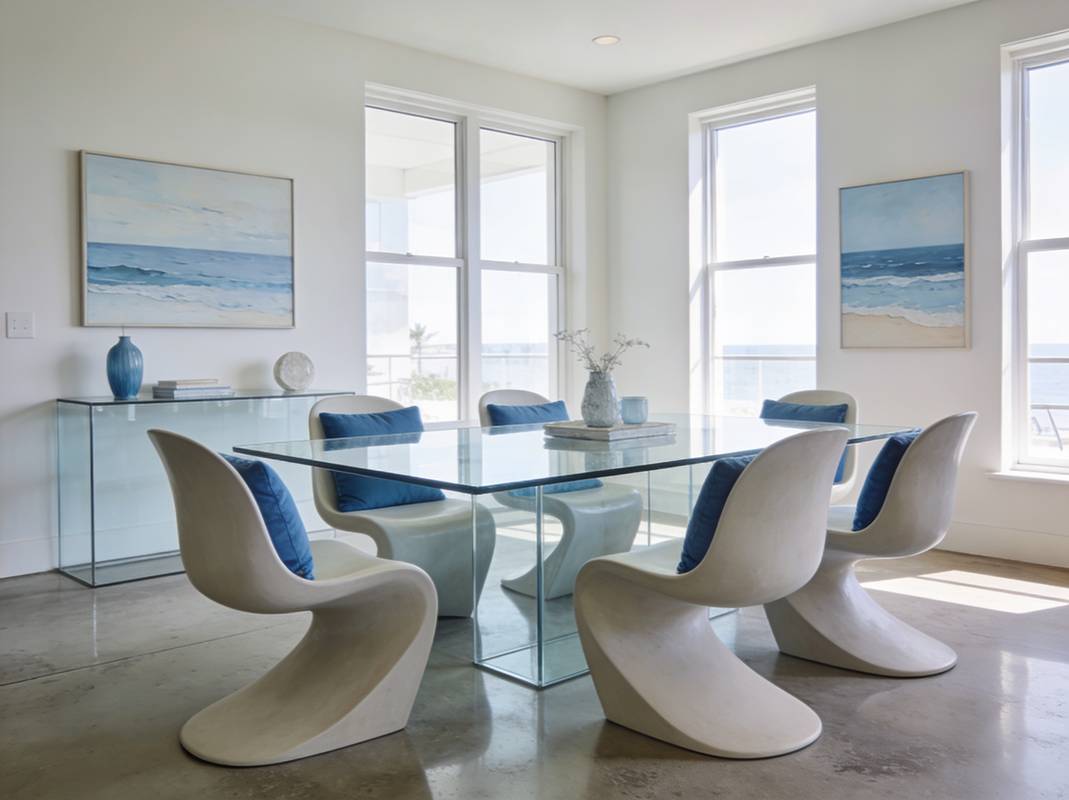
Modern coastal strips away traditional coastal clichés to create minimalist spaces that reference the sea through subtle cues.
Key Characteristics:
- Clean lines and minimal ornamentation
- Neutral palette with occasional ocean accents
- Concrete and glass elements
- Uncluttered surfaces
- Sculptural, contemporary furniture
- Sophisticated restraint
Materials: Polished concrete, glass, natural wood, wool, leather
Best For: Urban apartments, contemporary architecture, design-forward homeowners
Tropical Coastal: Island Inspiration
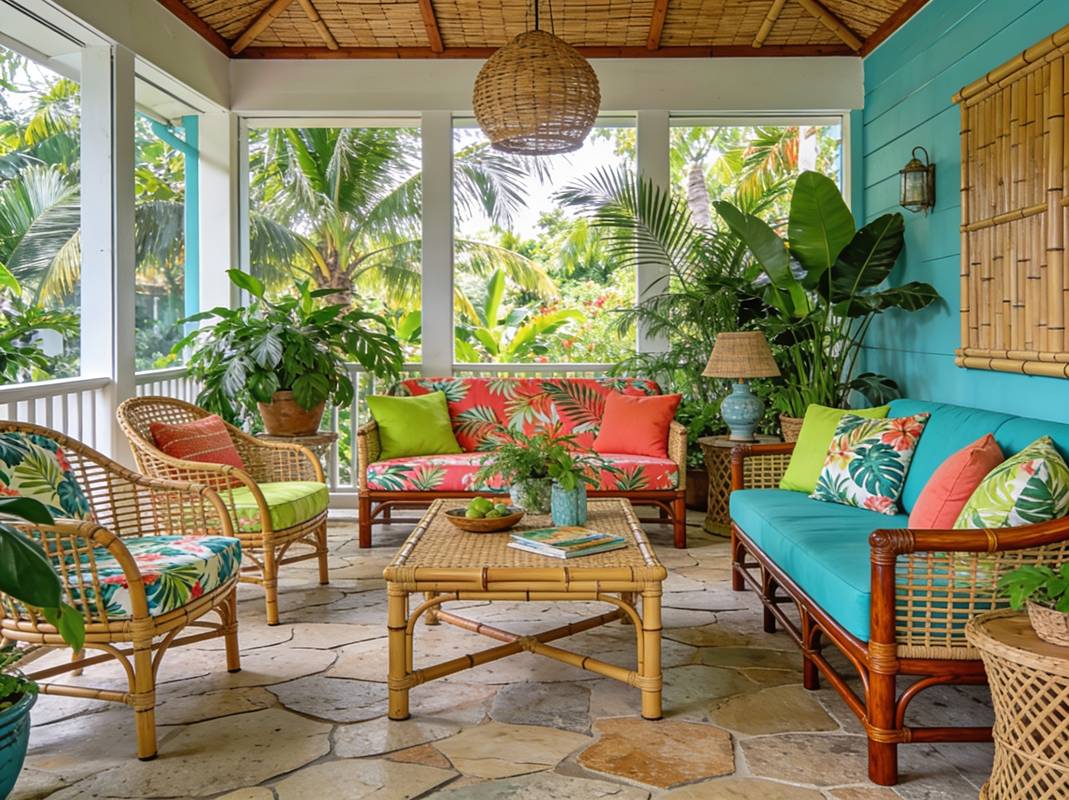
Tropical coastal embraces the vibrant colors and lush textures of island environments for a more playful interpretation.
Key Characteristics:
- Turquoise, coral, and lime accents
- Bold botanical prints
- Bamboo and rattan furniture
- Indoor plants as major elements
- Vibrant, energetic atmosphere
- Casual, comfortable layouts
Materials: Bamboo, rattan, teak, cotton prints, natural stone
Best For: Vacation homes, sunrooms, those wanting energetic coastal spaces
Coastal Grandmother: Relaxed Elegance
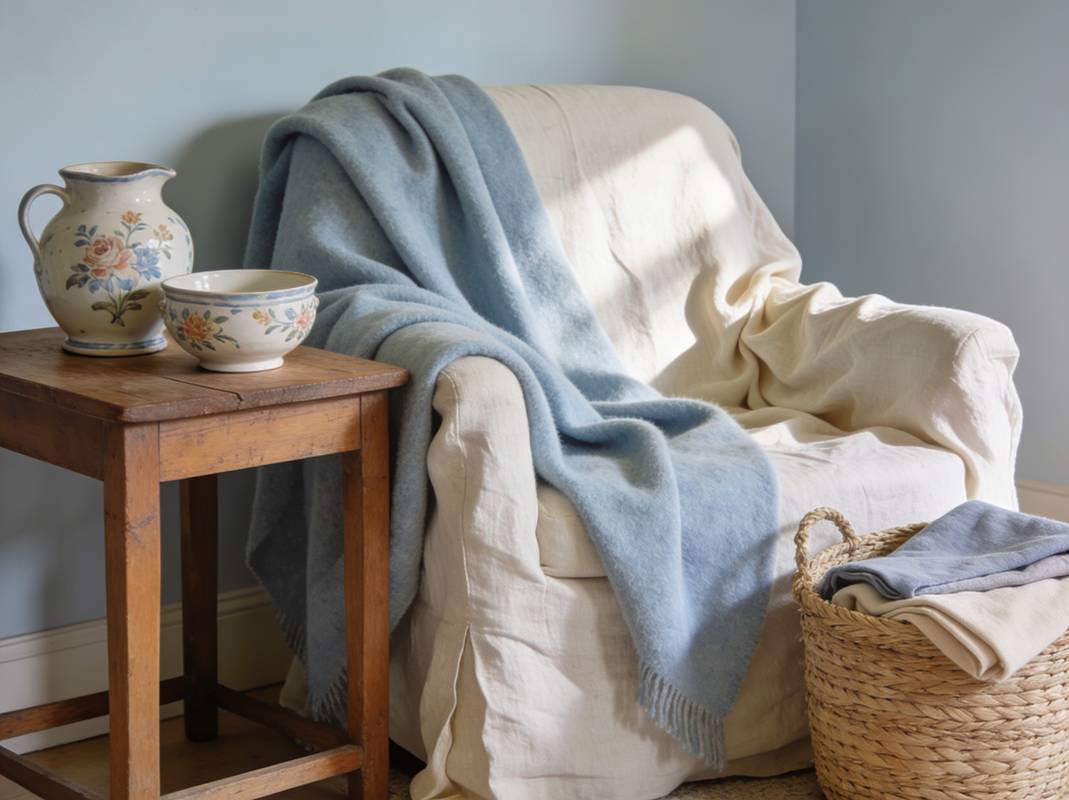
The coastal grandmother aesthetic—popularized by lifestyle influencers—combines coastal ease with sophisticated comfort.
Key Characteristics:
- Soft, lived-in elegance
- Creamy neutrals and soft blues
- Vintage and antique pieces mixed with new
- Cashmere throws and linen bedding
- Fresh flowers and natural elements
- Unhurried, comfortable luxury
Materials: Worn wood, soft linen, cashmere, vintage ceramics, fresh cotton
Best For: Bedrooms, living rooms, anyone seeking comfortable sophistication
Comparison: Coastal Sub-Styles at a Glance
| Feature | Hamptons | California | Mediterranean | Modern | Tropical | Coastal Grandmother |
|---|---|---|---|---|---|---|
| Primary Colors | Navy, white | White, sand | Terracotta, cream | White, gray | Turquoise, coral | Cream, soft blue |
| Wood Tone | Painted white | Bleached light | Weathered dark | Natural medium | Natural medium | Worn, varied |
| Furniture Style | Tailored, preppy | Casual, low | Ornate, rustic | Minimal, clean | Relaxed, colorful | Mixed vintage |
| Overall Vibe | Elegant | Laid-back | Warm | Sophisticated | Fun | Comfortable |
| Best Region | Northeast | West Coast | South/Southwest | Urban | Coastal South | Anywhere |
What Are the Dos and Don’ts of Coastal Interior Design?
Do: emphasise texture, invest in certified durable materials, and use accents sparingly.
Do Not: rely on seaside trinkets or untreated softwoods, and avoid indoor grade fabrics outdoors.
How Can You Achieve Coastal Design at Different Budget Levels?
Coastal style works at any budget. Here’s how to achieve the look across three investment levels.
Economy Tier ($500-2,000 per room)
Focus: Paint, textiles, and accessories
Actions:
- Paint walls in coastal colors ($200-400)
- Add natural fiber rug ($150-300)
- Swap throw pillows for linen/cotton covers ($100-200)
- Hang sheer white curtains ($100-200)
- Add coastal accessories: vases, trays, artwork ($150-400)
- DIY driftwood or shell art ($50-100)
Impact: Significant visual transformation without furniture investment.
Mid-Market Tier ($2,000-8,000 per room)
Focus: Furniture pieces, lighting, and rugs
Actions:
- Economy tier changes (included above)
- Natural fiber area rug upgrade ($800-1,500)
- Rattan or wicker accent chairs ($800-2,000)
- Linen slipcovered sofa or sectional ($1,500-4,000)
- Coastal-style lighting fixtures ($400-1,000)
- Wood coffee table or side tables ($600-1,500)
Impact: Foundation furniture establishes coastal aesthetic throughout the space.
Luxury Tier ($8,000+ per room)
Focus: Custom furniture, architectural changes, and investment pieces
Actions:
- Mid-market tier changes (included above)
- Custom upholstered pieces in premium linens ($3,000-8,000)
- Architectural details: shiplap, beadboard, molding ($2,000-5,000)
- Designer lighting and fixtures ($1,500-4,000)
- Original coastal artwork or photography ($1,000-5,000)
- Custom window treatments ($2,000-4,000)
- Investment antiques or vintage pieces ($1,000-10,000+)
Impact: Curated, sophisticated coastal spaces with designer-level finish.
How Should Coastal Design Be Applied to Real Coastal Homes?
Homes in actual coastal environments face unique challenges from salt air, humidity, and intense sun. Design choices must balance aesthetics with durability.
Salt and Humidity Considerations
Salt air corrodes metals and damages finishes faster than inland environments:
- Metal Selection: Choose marine-grade stainless steel, powder-coated aluminum, or solid brass over standard metals that rust quickly.
- Wood Protection: Exterior wood requires regular sealing. Teak, cedar, and white oak resist moisture better than softer woods.
- Fabric Durability: Solution-dyed acrylic fabrics (Sunbrella, Perennials) resist fading, mildew, and staining better than natural fibers for outdoor and high-humidity areas.
Durability-Focused Material Choices
- Flooring: Porcelain tile that mimics wood provides durability with coastal aesthetics. Luxury vinyl plank offers water resistance at lower cost.
- Furniture: Powder-coated aluminum outdoor furniture works indoors in coastal homes. Synthetic wicker resists salt better than natural rattan for exterior use.
- Window Treatments: Solar shades protect interiors from UV damage while preserving views. Avoid untreated natural fibers that mildew.
Maintenance Best Practices
- Regular Rinsing: Exterior furniture and surfaces benefit from fresh water rinsing to remove salt buildup.
- Protective Covers: Use breathable furniture covers during extended absences to protect from salt spray without trapping moisture.
- HVAC Considerations: Dehumidification systems protect interior finishes and prevent mold in humid coastal climates.
Can Coastal Style Work in Non-Coastal Locations?
You don’t need ocean views to capture coastal style. Inland coastal design focuses on evoking the feeling rather than literal references.
Bringing Coastal Vibes Inland
- Color Strategy: Use coastal palettes without beach-specific accessories. A greige living room with navy accents feels coastal without being literal.
- Material Focus: Emphasize natural textures—linen, wood, jute—that reference coastal materials without requiring coastal context.
- Light Maximization: Coastal style depends on abundant natural light. Use sheer window treatments and mirrors to amplify light in inland homes.
Urban Coastal Adaptations
City apartments can achieve coastal calm through:
- Minimal window treatments maximizing natural light
- Light color palettes that expand visual space
- Natural materials that add warmth to urban environments
- Plants that bring organic life to concrete settings
Subtle Coastal Touches
For those wanting coastal influence without full commitment:
- Add blue and white ceramic vases to existing decor
- Introduce natural fiber rugs in neutral spaces
- Hang ocean photography in simple white frames
- Use linen throw pillows on current sofas
- Place a piece of driftwood or coral as a sculptural accent
Conclusion
Refined coastal design is about creating a home that feels calm, natural, and timeless without relying on obvious beach-themed decor. By using warm neutral palettes, layered textures, natural materials, and carefully selected accents, homeowners can achieve a coastal atmosphere that feels sophisticated rather than themed. Whether applied to a seaside villa, city apartment, or tropical home, this style works best when every detail supports comfort, light, and effortless elegance.
At Instyle Deco Paris, we bring this refined approach to life through tailored design solutions, bespoke craftsmanship, and a strong understanding of how materials perform in real homes. For clients looking for Interior Design Bangkok, our team can help transform coastal inspiration into elegant, durable, and personalized interiors that balance European design sensibility with practical living in Thailand’s climate.
Frequently Asked Questions
What is the difference between coastal and beachy decor?
Coastal design draws inspiration from the seaside environment using sophisticated natural materials, refined color palettes, and curated textures. Beachy decor tends toward literal beach references—shell collections, “beach house” signage, and obvious nautical motifs. Coastal whispers; beachy announces. Elevated coastal specifically avoids kitschy elements in favor of timeless sophistication.
Can I do coastal design if I don’t live near the ocean?
Absolutely. Coastal style works anywhere because it focuses on creating feelings—relaxed, natural, light-filled—rather than replicating specific locations. Inland coastal design emphasizes natural materials, light color palettes, and abundant natural light. Avoid literal beach accessories and instead focus on the textural and tonal qualities that make coastal spaces appealing.
What colors work best for coastal interior design?
Classic coastal palettes include navy and white with coral accents, soft blues with warm whites, or sandy neutrals with driftwood tones. Modern coastal embraces greige, sage, and natural wood. Mediterranean coastal uses terracotta, olive, and azure. The 2025-2026 trend shifts toward warmer neutrals—taupe, greige, and cream—replacing the cool grays of previous years.
What is elevated coastal style?
Elevated coastal describes sophisticated, curated coastal interiors that avoid clichés and kitsch. It emphasizes quality materials, designer furniture, and restrained color palettes over obvious beach themes. Think linen sofas and walnut coffee tables rather than rope mirrors and anchor motifs. Elle Decor reports 78% of designers see increased demand for elevated coastal over traditional beachy styles.
How do I avoid the “tacky beach house” look?
Avoid literal beach references like shells in jars, “beach” signage, or anchor motifs. Instead, focus on sophisticated natural materials—linen, rattan, weathered wood—in refined applications. Choose quality over quantity: one piece of driftwood as sculpture rather than collections. Use coastal colors (blues, whites, sands) without beach-specific accessories. Study high-end coastal homes for inspiration rather than beach rental decor.
What materials are essential for coastal design?
Core coastal materials include natural linen for upholstery and textiles, rattan and wicker for furniture and accents, jute or sisal for rugs, weathered or whitewashed wood, and blue and white ceramics. These materials provide textural interest and natural warmth that defines coastal aesthetics. For actual coastal homes, consider performance fabrics that withstand salt and humidity.
Is coastal design still trendy in 2026?
Coastal design remains highly relevant, though evolving toward more sophisticated interpretations. The “coastal grandmother” aesthetic gained significant popularity with 45% growth in Pinterest searches. Designers report continued strong demand for coastal styles, particularly “elevated coastal” that emphasizes quality and sophistication over obvious themes. The shift toward warmer neutrals and natural materials aligns coastal design with broader sustainability trends.
How do I incorporate coastal style in a small space?
Small spaces benefit from coastal design’s emphasis on light colors and natural light. Use white or pale blue walls to expand visual space. Choose furniture with visible legs to create airiness. Add mirrors to amplify light. Use multi-functional pieces like storage ottomans in natural materials. Keep decor minimal and curated—coastal style works best when not overcrowded. Focus on texture over pattern to add interest without visual clutter.
What is coastal grandmother aesthetic?
Coastal grandmother aesthetic combines coastal ease with sophisticated comfort, popularized by lifestyle influencers celebrating relaxed elegance. It features creamy neutrals, soft blues, vintage and antique pieces mixed with new, cashmere throws, linen bedding, fresh flowers, and an overall atmosphere of comfortable luxury. The style emphasizes quality materials and lived-in elegance over perfection. Pinterest data shows 45% growth in searches for this aesthetic.
How do I protect coastal furniture from salt and humidity?
For homes in actual coastal environments, choose marine-grade materials and solution-dyed acrylic fabrics (Sunbrella, Perennials) that resist salt, mildew, and fading. Regularly rinse exterior furniture with fresh water to remove salt buildup. Use dehumidifiers indoors to protect natural materials. Apply protective sealants to wood furniture annually. Use breathable furniture covers during extended absences. Consider porcelain tile or luxury vinyl plank flooring over natural wood in high-humidity areas.
Can I mix coastal with other design styles?
Coastal style mixes well with several other aesthetics. Coastal farmhouse combines coastal palettes with rustic farmhouse elements. Modern coastal blends clean lines with coastal materials. Coastal bohemian adds global textiles and eclectic pieces to coastal foundations. The key is maintaining coastal’s emphasis on natural materials and light colors while incorporating elements from other styles. Avoid mixing coastal with heavy traditional or ultra-glamorous styles, as these clash with coastal’s relaxed ethos.
What are the best coastal paint colors?
Top coastal paint colors include Sherwin-Williams Naval SW 6244 and Benjamin Moore Hale Navy HC-154 for navy accents; Sherwin-Williams Alabaster SW 7008 and Benjamin Moore White Dove OC-17 for warm whites; Sherwin-Williams Sea Salt SW 6204 and Benjamin Moore Palladian Blue HC-144 for soft blues; and Sherwin-Williams Accessible Beige SW 7036 and Benjamin Moore Revere Pewter HC-172 for greige neutrals. The 2025 trend shifts toward warmer neutrals like taupe and sand over cool grays.