
Creating a productive and inspiring workplace requires careful planning and execution. In Bangkok’s competitive business environment, office design can significantly impact employee satisfaction, productivity, and your company’s bottom line. Unfortunately, many businesses fall into common traps when designing their office spaces. This comprehensive guide explores the top seven mistakes to avoid in office interior design Bangkok, helping you create a workspace that truly supports your team’s success.
Introduction: The High Stakes of Office Design in Bangkok
Bangkok’s dynamic business landscape demands workspaces that balance functionality with aesthetics. With rising commercial real estate costs and increasing competition for talent, your office design isn’t just about looks—it’s a strategic investment. Whether you’re renovating an existing space or designing a new office from scratch, avoiding these common pitfalls can save you significant time, money, and frustration.
The tropical climate, cultural considerations, and unique business practices in Thailand add additional layers of complexity to office design. What works in Western offices may not translate well to Bangkok’s environment. Understanding these local nuances is crucial for creating a space that meets both international standards and local expectations.
Mistake 1: Ignoring Bangkok’s Tropical Climate
One of the most critical office interior design errors in Bangkok is failing to account for the city’s tropical climate. With year-round high temperatures, humidity levels often exceeding 70%, and distinct monsoon seasons, climate considerations should be at the forefront of your design strategy.
Many businesses make the mistake of designing offices as if they were in temperate climates, resulting in spaces that are uncomfortable, energy-inefficient, and prone to moisture-related problems.
Prevention Strategies
Optimize Natural Ventilation: Design your office layout to maximize cross-ventilation during cooler months. Position workstations to take advantage of natural breezes while avoiding direct exposure to afternoon sun.
Invest in Quality HVAC Systems: Choose energy-efficient air conditioning systems with proper zoning capabilities. Install units with humidity control features and ensure regular maintenance schedules.
Select Climate-Appropriate Materials: Use moisture-resistant materials for flooring, wall coverings, and furniture. Avoid materials that warp, mold, or deteriorate in humid conditions.
Mistake 2: Neglecting Cultural Considerations
Bangkok’s unique blend of Thai traditions and modern business practices creates specific cultural requirements for office design. Workplace design fails often occur when international companies apply Western design principles without adapting to local cultural contexts.
Thai business culture values hierarchy, respect, and harmonious relationships. Office designs that ignore these cultural elements can create awkward situations and undermine workplace morale.
Prevention Strategies
Design for Hierarchy with Flexibility: Create a layout that acknowledges organizational hierarchy through spatial arrangement while maintaining accessibility.
Prioritize Meeting Spaces: Allocate generous space for formal and informal meetings. Include various meeting room sizes to accommodate different group sizes and purposes.
Accommodate Cultural Practices: Designate areas for spiritual practices, such as spaces for Buddha images or areas for merit-making activities.
Mistake 3: Poor Space Planning and Flow
Inefficient space planning is one of the most expensive commercial design mistakes businesses make. With Bangkok’s high commercial real estate costs, every square meter matters. Poor space utilization not only wastes money but also hampers productivity and employee satisfaction.
Prevention Strategies
Conduct Thorough Needs Analysis: Before designing, thoroughly analyze your current and projected space needs. Consider headcount, work styles, meeting requirements, storage needs, and growth projections.
Design Flexible Spaces: Create modular environments that can be easily reconfigured. Use movable partitions, flexible furniture systems, and multi-purpose areas.
Optimize Circulation Paths: Ensure clear, logical traffic flow throughout the office with adequate emergency exits.
Mistake 4: Inadequate Lighting Design
Lighting is frequently an afterthought in office design, yet it profoundly affects employee health, productivity, and mood. Bangkok’s intense sunlight creates unique challenges and opportunities.
Prevention Strategies
Maximize Natural Light: Design layouts to bring natural light deep into the office space. Position workstations perpendicular to windows to reduce glare.
Implement Layered Lighting: Create comprehensive lighting schemes combining ambient, task, and accent lighting.
Control Glare and Heat: Use appropriate window treatments and electrochromic glass to manage intense Bangkok sunlight.
Mistake 5: Insufficient Technology Infrastructure
In today’s digital workplace, technology infrastructure is as crucial as physical infrastructure. Many Bangkok offices are designed with inadequate consideration for current and future technology needs.
Prevention Strategies
Plan for Power Density: Install significantly more power outlets than initially seem necessary.
Implement Structured Cabling: Design comprehensive network infrastructure with future expansion in mind.
Design Technology-Enabled Meeting Rooms: Equip meeting spaces with appropriate AV technology and video conferencing capabilities.
Mistake 6: Overlooking Acoustic Design
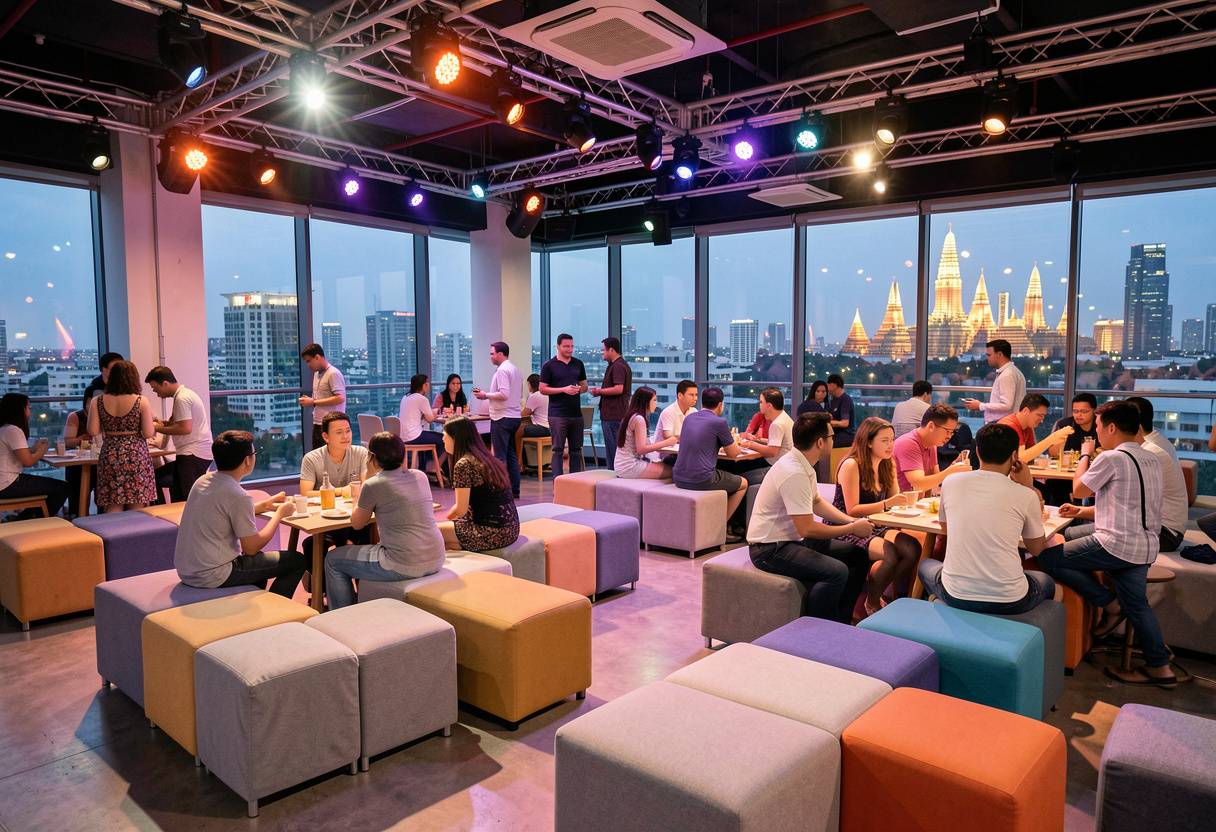
As offices move toward open, collaborative environments, acoustic design becomes increasingly critical. Many modern Bangkok offices suffer from excessive noise that hampers concentration and increases stress.
Prevention Strategies
Implement Sound Masking: Install sound masking systems that add controlled background sound.
Use Acoustic Materials: Incorporate sound-absorbing materials in ceilings, walls, and floors.
Create Acoustic Zones: Designate quiet zones for focused work and collaboration zones for group activities.
Mistake 7: Neglecting Employee Wellbeing and Ergonomics
The most successful offices prioritize employee health and comfort, yet many Bangkok businesses treat ergonomic and wellness features as optional luxuries rather than essential investments.
Prevention Strategies
Invest in Quality Furniture: Provide adjustable, ergonomic chairs and desks that support proper posture.
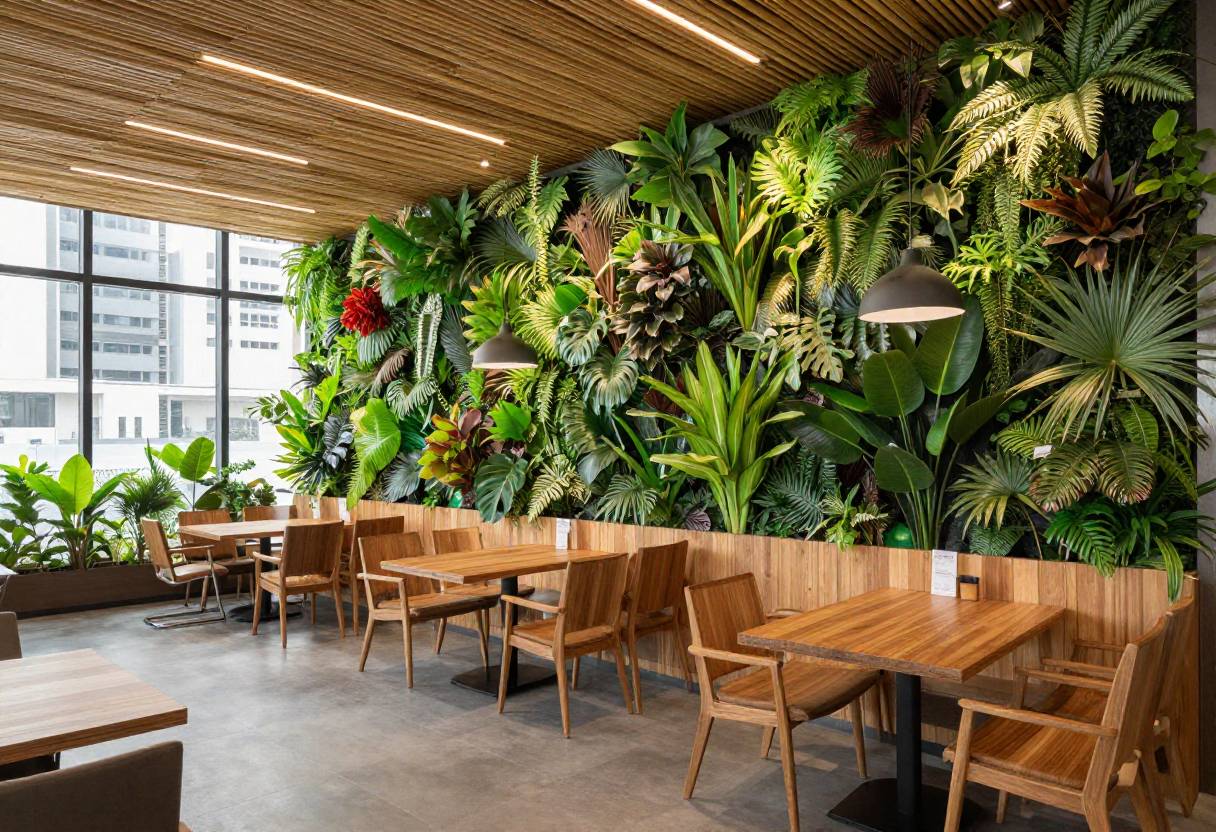
Incorporate Biophilic Design: Integrate natural elements such as plants and natural materials.
Create Wellness Spaces: Designate areas for relaxation, exercise, or meditation.
Conclusion: Creating Successful Office Spaces in Bangkok
Avoiding these seven common mistakes requires careful planning, local expertise, and a genuine commitment to creating spaces that support both business objectives and employee wellbeing. Successful office interior design in Bangkok balances international best practices with local cultural and climatic considerations.
The investment in thoughtful design pays dividends through increased productivity, reduced turnover, lower operational costs, and enhanced company reputation. As Bangkok continues to evolve as a regional business hub, offices that prioritize intelligent design will have significant competitive advantages.
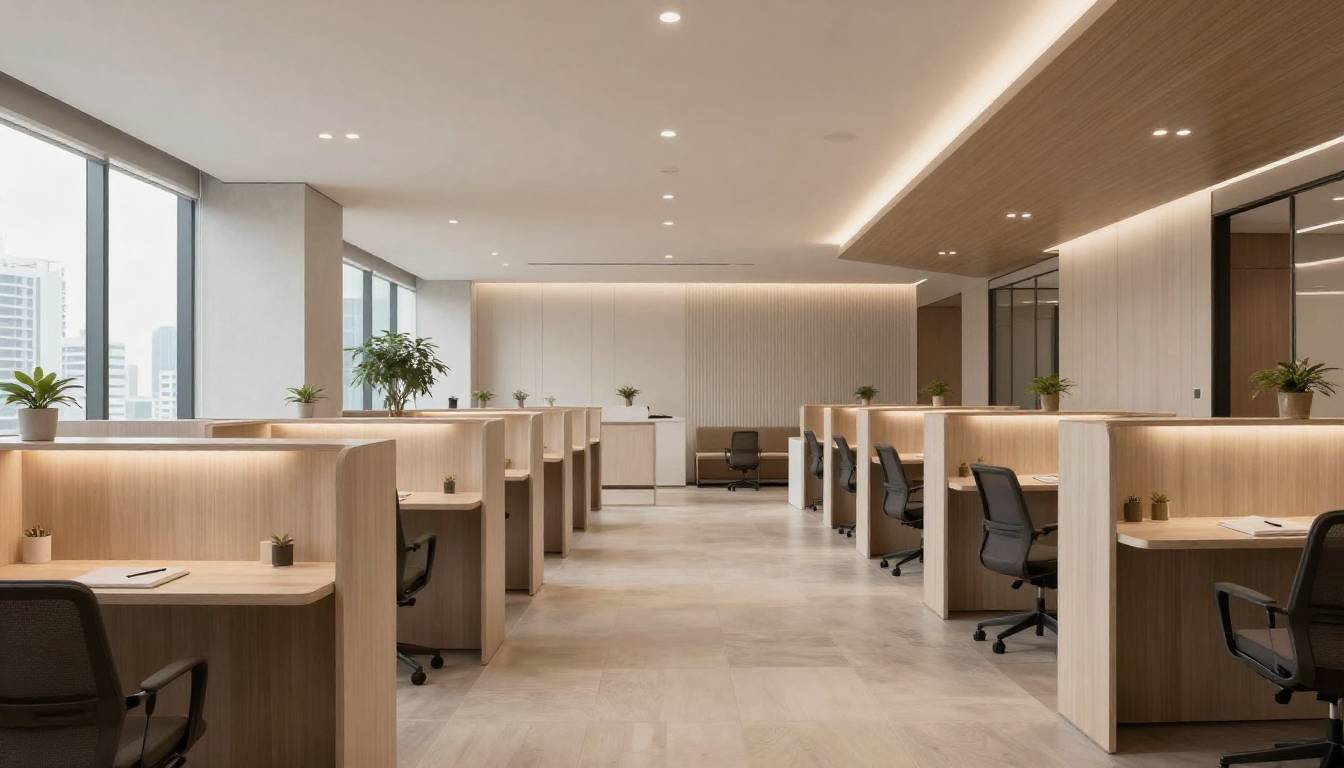
Ready to transform your Bangkok office? Learn more about our commercial interior design services or explore our portfolio of successful office projects. For versatile coworking concepts, check out our guide on 12 interior design concepts for coworking spaces.
*Contact Instyle Deco Paris today for a consultation on your office interior design Bangkok project.*