
Feng Shui, the ancient Chinese practice of harmonizing individuals with their surrounding environment, has found a natural home in Thailand. With its emphasis on balance, energy flow, and respect for natural elements, Feng Shui principles align beautifully with Thai cultural values of sanuk (fun), sabai (comfort), and respect for spiritual harmony. In modern Thai homes from compact Bangkok condominiums to spacious suburban houses Feng Shui offers practical guidance for furniture placement that enhances wellbeing, prosperity, and peace. Whether designing a new home or rearranging existing spaces, applying these principles within the Thai context can transform the living environment. Through expert interior design in Bangkok, firms like Instyle Deco Paris help homeowners integrate Feng Shui principles with elegant, functional interiors, creating balanced spaces that reflect both cultural harmony and modern lifestyle needs.
Core Feng Shui Principles for Thai Homes
Understanding Chi (Qi) Energy Flow
Chi, the life force energy that flows through all spaces, forms the foundation of Feng Shui. In Thai homes, this concept resonates with traditional beliefs about spiritual energy and the importance of maintaining harmonious spaces.
Key Principles:
- Unobstructed flow: Furniture should never block pathways or create sharp angles pointing at seating areas
- Balanced distribution: Heavy furniture balanced with open spaces
- Command position: Primary seating should face entrances while maintaining wall support
- Elemental harmony: Balance of wood, fire, earth, metal, and water elements
The Bagua Map: Applying the Energy Grid
The Bagua map divides spaces into nine areas corresponding to different life aspects:
| Bagua Area | Life Aspect | Thai Cultural Connection | Element |
| North | Career | Professional success, family honor | Water |
| Northeast | Knowledge | Education, Buddhist learning | Earth |
| East | Family | Ancestor respect, family unity | Wood |
| Southeast | Wealth | Prosperity, abundance | Wood |
| South | Fame | Reputation, social standing | Fire |
| Southwest | Love | Marriage, partnerships | Earth |
| West | Children | Family line, descendants | Metal |
| Northwest | Helpful People | Community, mentors | Metal |
| Center | Health | Overall wellbeing, balance | Earth |
Application: Overlay the Bagua map on your home’s floor plan with the career area (north) aligned with the actual north direction.
Thai-Specific Considerations
Climate Adaptations:
- Thailand’s tropical climate requires furniture placement that maximizes airflow
- Avoid blocking windows and ventilation paths
- Consider monsoon season moisture when placing wooden furniture
Cultural Elements:
- Respect for Buddha images (always place above eye level, never on floor)
- Spirit houses (san phra phum) influence energy flow near entrances
- Multi-generational living requires balancing private and communal spaces
Architectural Features:
- Thai homes often feature open-plan living areas
- High ceilings in traditional Thai houses affect energy circulation
- Modern condos require space-efficient arrangements
Room-by-Room Feng Shui Guide
The Living Room: Heart of the Home
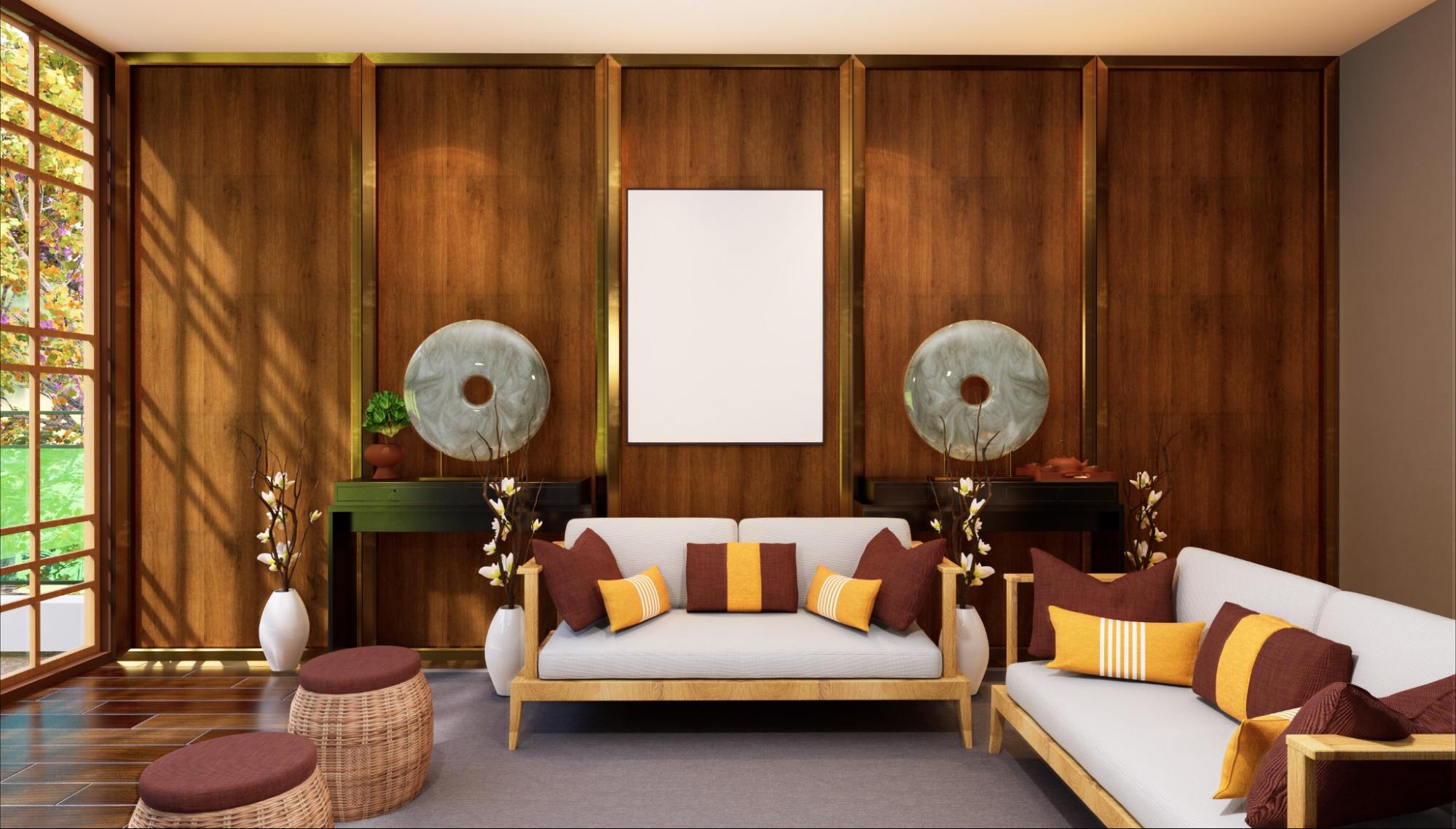
The Command Position
The primary sofa should be placed in the “command position”—diagonally facing the main entrance with a solid wall behind it. This placement provides:
- Visual control of who enters (security and awareness)
- Supportive backing (symbolic and literal)
- Optimal energy reception
For Thai Homes:
- In open-plan layouts common in modern Thai condos, use screens or plants to define the living area
- Position seating to avoid direct alignment with the kitchen (fire energy overwhelming relaxation space)
- Ensure the Buddha image, if present, faces east or north and sits above eye level
Furniture Arrangement Rules:
| Do | Don’t | Reason |
| Place sofa against solid wall | Float sofa in middle of room | Provides support and stability |
| Create conversation circles | Align all seating in rows | Encourages interaction and chi circulation |
| Leave space behind furniture | Push everything against walls | Allows energy to flow around pieces |
| Use rounded coffee tables | Sharp-cornered tables pointing at seats | Prevents “poison arrows” of negative energy |
TV Placement:
- Avoid placing the television as the room’s focal point (creates passive energy)
- If necessary, position TV to the side of the main seating area
- Never place TV directly opposite the main entrance
Color Recommendations for Thai Living Rooms:
- Earth tones (beige, terracotta) for grounding
- Soft greens for growth and harmony
- Accents of gold or yellow for prosperity
- Avoid excessive red (overstimulating in relaxation spaces)
The Bedroom: Sanctuary of Rest
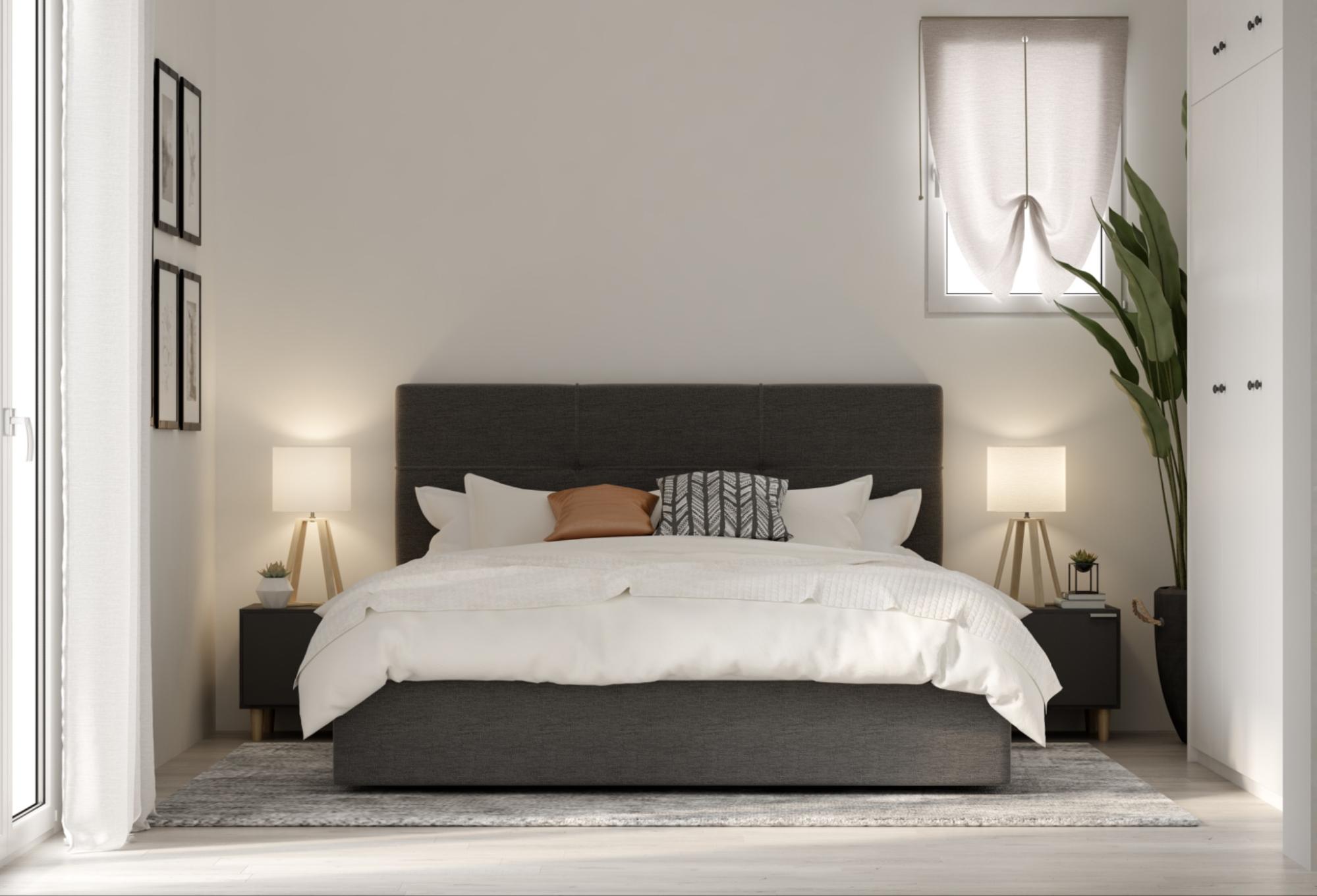
Bed Placement: The Most Critical Position
The bed’s position affects sleep quality, relationships, and overall health. Follow these rules strictly:
Command Position for Beds:
- Place bed diagonally opposite the bedroom door
- Ensure you can see the door while lying in bed
- Never place the bed directly in line with the door (“coffin position”)
- Maintain equal space on both sides of the bed (balance for couples)
Thai Bedroom Considerations:
- In compact Bangkok condos, use mirrors strategically to expand space without reflecting the bed
- For rooms with limited layout options, use a screen or curtain to block direct door alignment
- Ensure adequate space around the bed for energy circulation (minimum 45cm on each side)
What to Avoid:
- Beds under windows (lack of support, unstable energy)
- Beds sharing walls with toilets (negative energy from water/waste)
- Beds under ceiling beams (oppressive energy)
- Mirrors reflecting the bed (disturbs sleep, invites third-party energy)
Nightstand Guidelines:
- Use matching nightstands on both sides (balance and equality)
- Place rounded lamps (avoid sharp angles)
- Keep surfaces uncluttered (clear energy flow)
- Add plants sparingly (one small plant maximum, avoid cacti)
Color Psychology for Bedrooms:
- Soft blues and greens (calming, restful)
- Earth tones (grounding, stable)
- Soft pinks or peaches (romantic, warm)
- Avoid bright reds and oranges (too stimulating for sleep)
The Kitchen: Nourishment and Prosperity
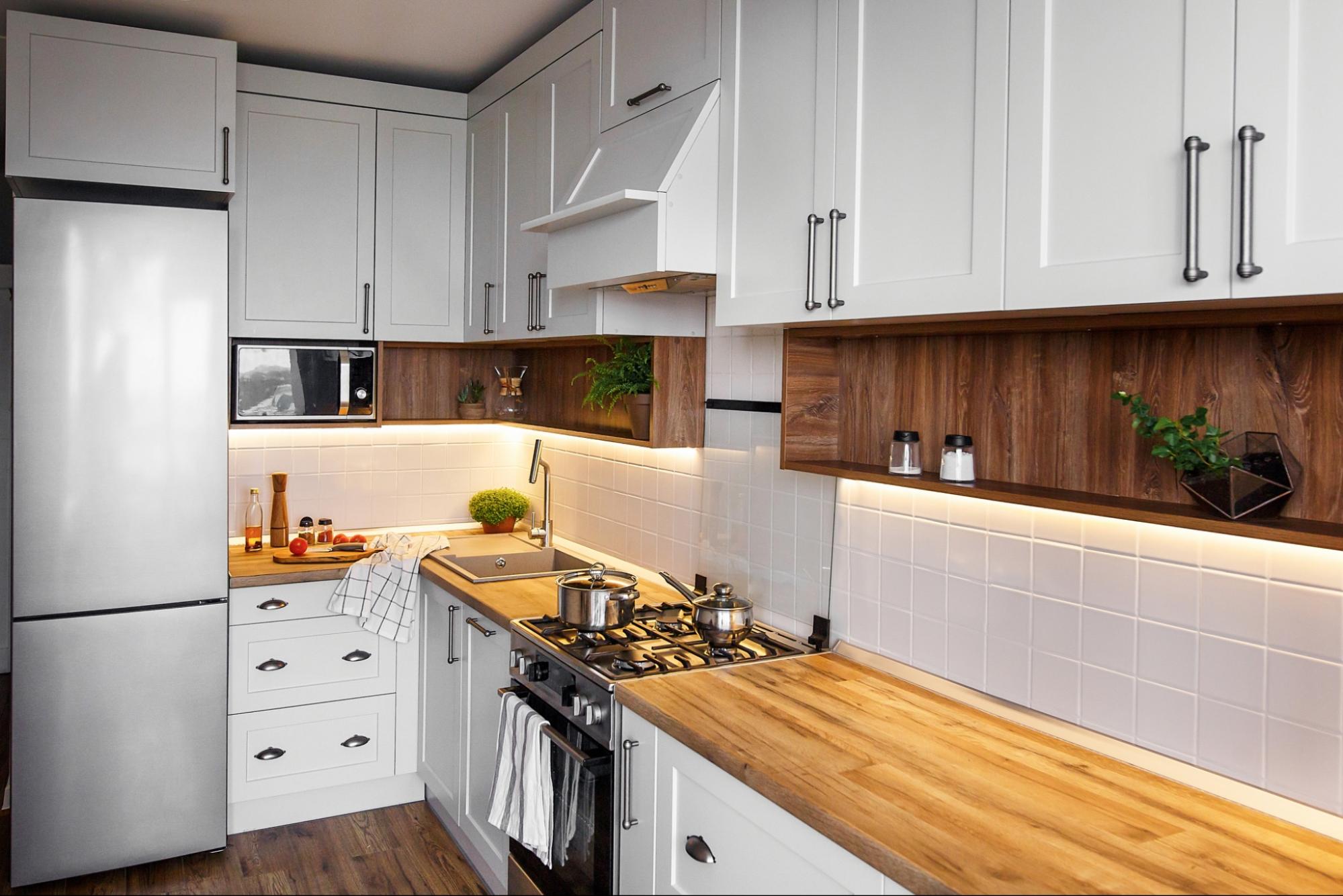
The Stove: Symbol of Wealth
In Feng Shui, the stove represents wealth and nourishment. Its placement significantly impacts family prosperity.
Optimal Stove Placement:
- Position cooktop so the cook can see the kitchen entrance
- Never place stove directly opposite the sink (fire and water clash)
- Maintain distance between stove and refrigerator (fire and cold conflict)
- Ensure adequate lighting above the cooking area
Thai Kitchen Adaptations:
- Many Thai homes have gas stoves; ensure proper ventilation
- Outdoor kitchens (common in traditional Thai homes) should follow the same principles
- For compact condo kitchens, use the command position principle for the primary cooking area
The Kitchen Triangle:
- Stove, sink, and refrigerator should form a triangle
- Each leg of the triangle: 1.2-2.7 meters
- Total perimeter: 4-7.5 meters
- Avoid obstacles breaking the triangle flow
Color Recommendations:
- White or light colors (cleanliness, purity)
- Earth tones (grounding, nourishment)
- Avoid excessive black or dark blue (water element overwhelming fire)
- Green accents (wood element feeding fire)
Storage and Organization:
- Keep countertops clear (clutter blocks prosperity energy)
- Store knives in drawers (visible blades create negative energy)
- Maintain clean refrigerator (stale food = stagnant energy)
- Fix leaky faucets immediately (leaks = money draining away)
The Home Office: Productivity and Success
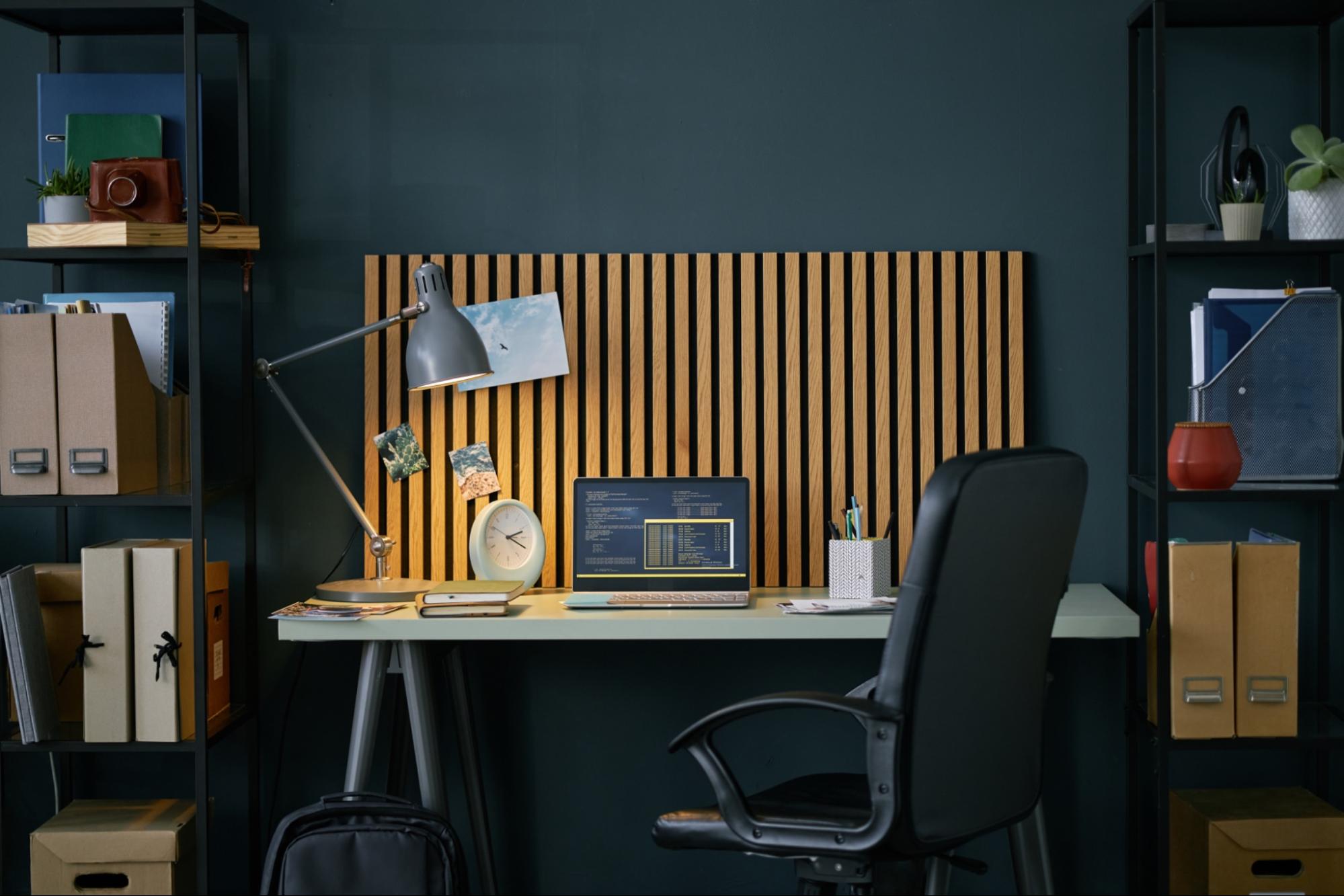
Desk Placement for Professional Success
Command Position:
- Desk facing the door (without being directly in line)
- Solid wall behind the chair
- Clear view of the room
- Natural light from the side (not directly behind or in front)
For Thai Home Offices:
- Many Thais run businesses from home; dedicate a specific room or area
- Avoid working from the bedroom (mixes rest and work energy)
- If space is limited, use a screen to separate office area from living space
What to Avoid:
- Desk facing a wall (blocks opportunities)
- Desk directly in line with the door (exposed, vulnerable position)
- Sitting with back to windows (lack of support)
- Cluttered workspace (blocks clear thinking)
Office Layout Guidelines:
| Element | Placement | Purpose |
| Desk | Command position | Authority and control |
| Bookshelves | Side walls | Knowledge and support |
| Filing cabinets | Behind or to the side | Organization and stability |
| Plants | East or southeast corners | Growth and vitality |
| Water feature | North corner | Career flow (small fountain or aquarium) |
Technology Placement:
- Position computer monitor to avoid glare
- Keep cables organized (chaotic wires = chaotic energy)
- Place printer away from primary workspace (distracting energy)
The Bathroom: Managing Water Energy
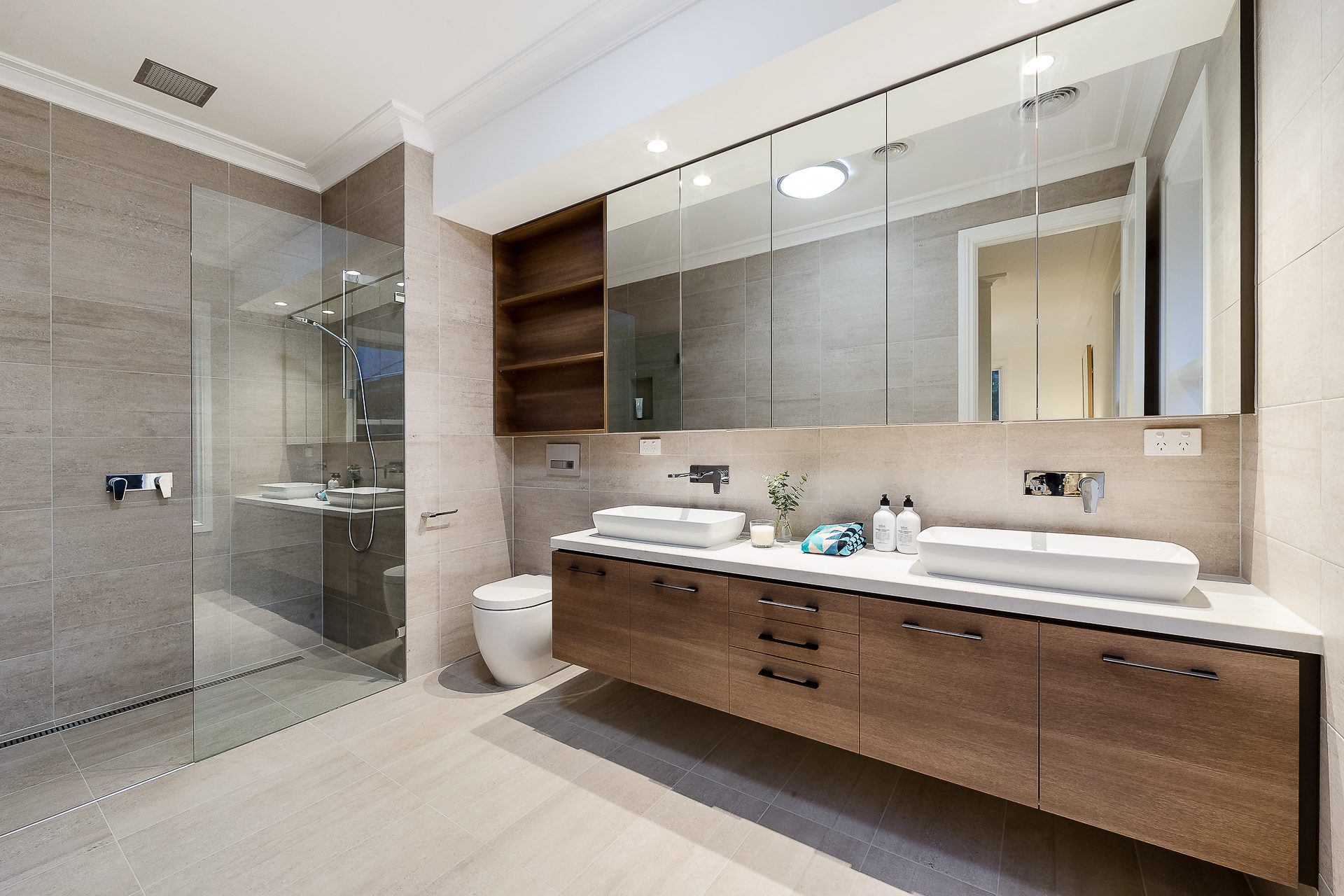
Feng Shui Challenges:
Bathrooms present unique Feng Shui challenges because they contain drains, which symbolically drain energy and resources.
Mitigation Strategies:
- Keep bathroom door closed (contains water energy)
- Use mirrors to expand space and reflect light
- Maintain excellent ventilation (prevents stagnant energy)
- Keep the bathroom clean and dry (stagnant water = stagnant wealth)
Toilet Placement:
- Never visible from the main entrance
- Avoid alignment with the kitchen stove
- Keep toilet lid closed (prevents energy loss)
Thai Bathroom Considerations:
- Many Thai bathrooms are wet rooms; ensure proper drainage
- Traditional Thai homes may have outdoor bathrooms; ensure privacy screens
- Modern condos often have compact bathrooms; use mirrors to expand space visually
Color Recommendations:
- White and light colors (cleanliness, purity)
- Earth tones (grounding water energy)
- Avoid excessive black or dark blue (too much water element)
- Add wood elements (plants, wooden accessories) to absorb excess water
The Dining Room: Family Harmony
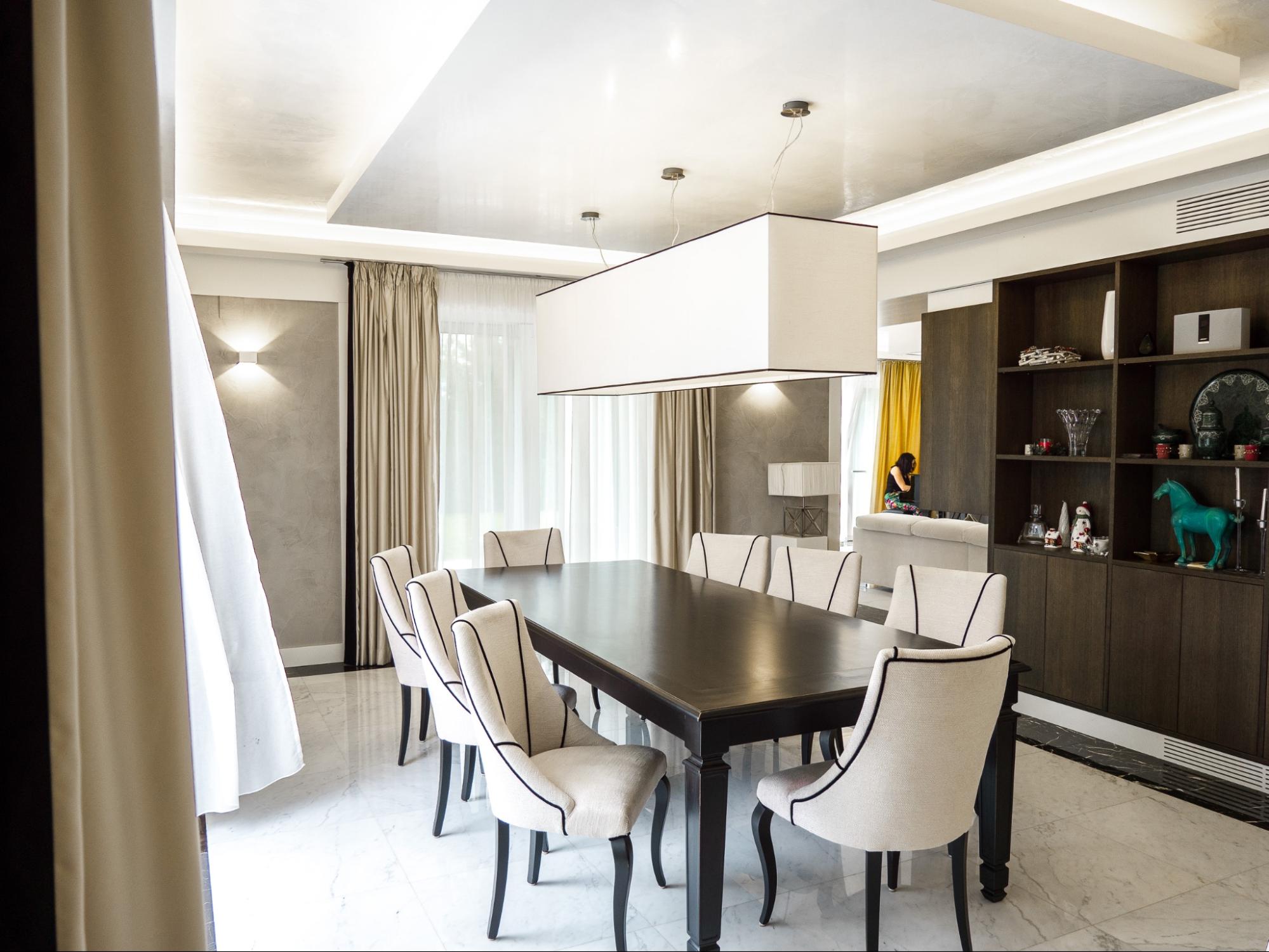
Table Placement:
- Center the dining table in the room
- Ensure equal space around all sides
- Position so diners can see the entrance
- Avoid placing table under ceiling beams
Shape Considerations:
- Round or oval tables (promote equality and conversation)
- Rectangular tables (acceptable if rounded corners)
- Avoid sharp corners pointing at seating
Thai Dining Considerations:
- Traditional Thai dining may be on the floor; ensure comfortable cushions
- Modern Thai homes often use Western-style dining tables
- Consider multi-functional spaces (dining room doubling as workspace)
Enhancing the Dining Experience:
- Fresh flowers or fruit centerpiece (abundance symbol)
- Good lighting (warm, inviting)
- Artwork depicting food, harvest, or family (nourishment themes)
- Avoid mirrors reflecting the dining table (doubles food but also doubles problems)
Special Considerations for Thai Architecture
Traditional Thai Houses
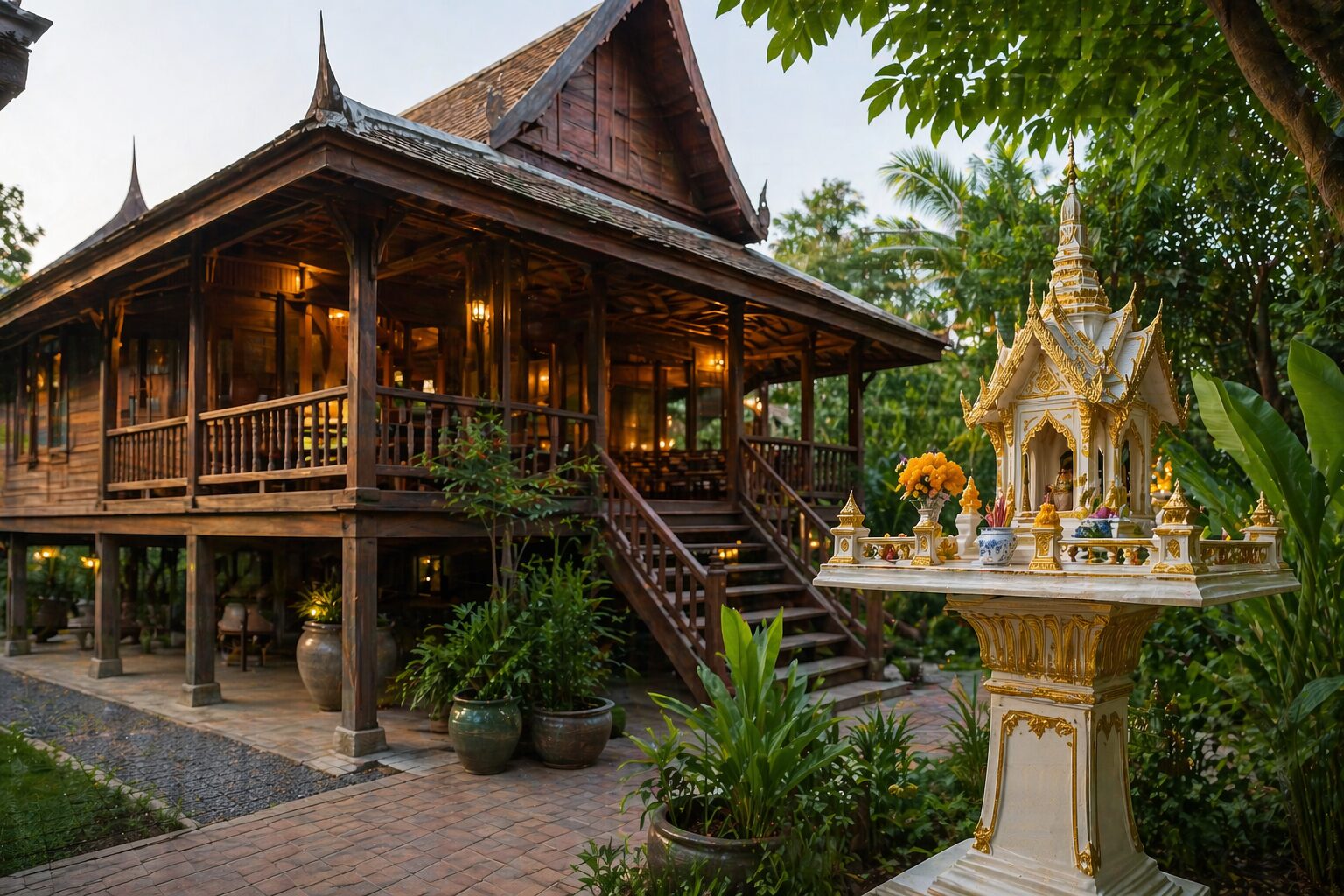
Elevated Structures:
- Traditional Thai homes are elevated on stilts
- The space underneath affects energy flow
- Keep the area clean and uncluttered
- Avoid storing waste or stagnant water underneath
Open-Air Design:
- Traditional Thai houses feature open ventilation
- Furniture placement should enhance, not block, natural airflow
- Use lightweight, movable furniture for flexibility
Spirit House Integration:
- The spirit house (san phra phum) should be visible from the main entrance
- Never place furniture blocking the view of the spirit house
- Maintain respectful distance between living spaces and the spirit house
Modern Bangkok Condos
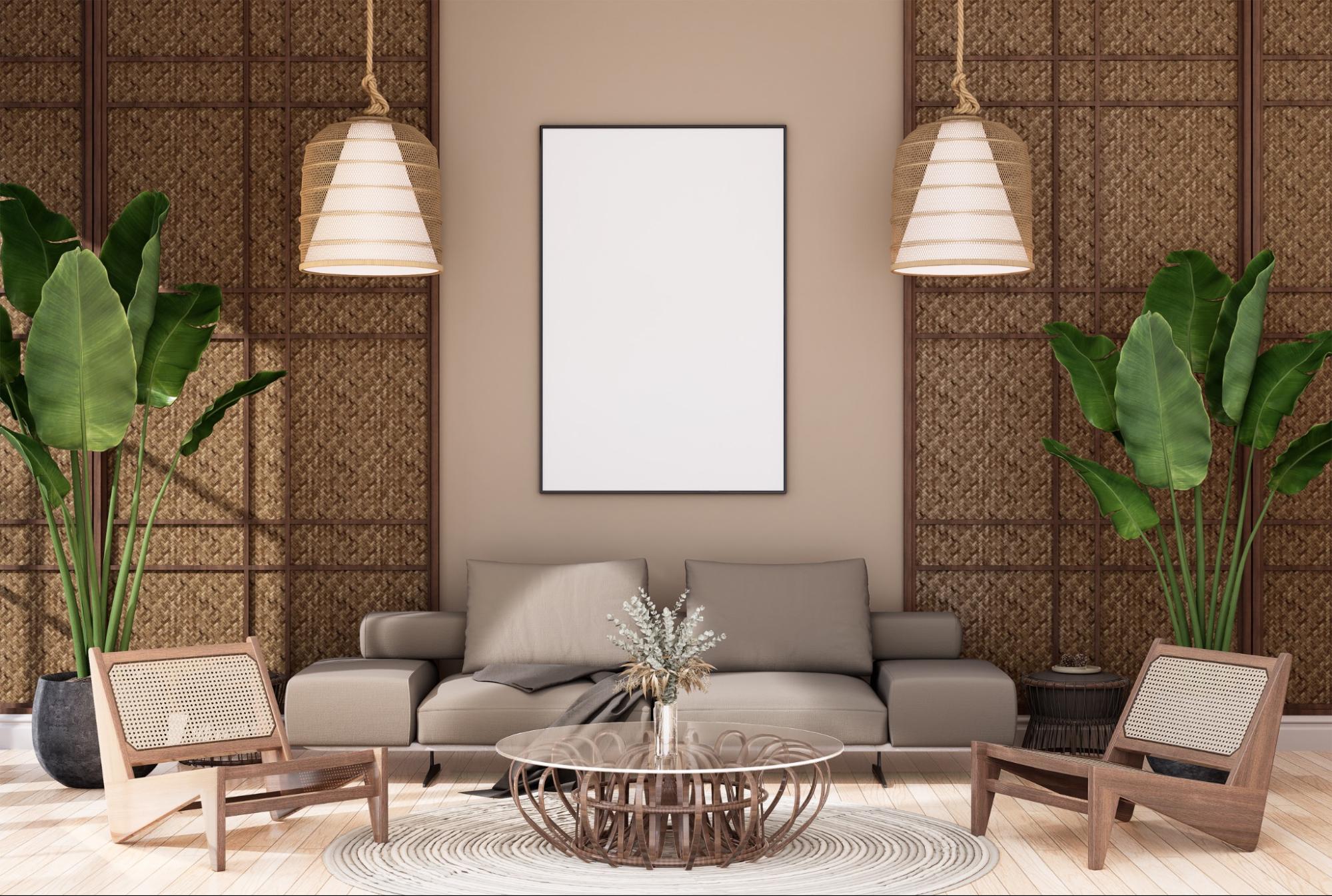
Space Constraints:
- Use multi-functional furniture
- Employ mirrors strategically to expand space
- Vertical storage to maximize floor area
- Sliding doors instead of swinging doors
Glass and Steel:
- Modern condos feature extensive glass
- Use curtains or blinds to control energy flow
- Add natural elements (plants, wood furniture) to balance metal/glass
Shared Walls:
- Be aware of shared walls with neighbors
- Use headboards and solid furniture to create energetic boundaries
Tropical Climate Adaptations
Monsoon Season:
- Elevate wooden furniture slightly off floors
- Ensure good air circulation to prevent mold
- Use dehumidifiers in enclosed spaces
Hot Season:
- Position seating to maximize breeze flow
- Use light-colored fabrics (reflect heat)
- Avoid dark, heat-absorbing furniture in direct sunlight
Common Feng Shui Mistakes in Thai Homes
1. Ignoring the Spirit House
Mistake: Placing furniture or clutter blocking the view of the spirit house.
Solution: Maintain clear sightlines to the spirit house from the entrance. Keep the area clean and respectful.
2. Mirror Misplacement
Mistake: Placing mirrors reflecting beds, toilets, or main entrances.
Solution: Position mirrors to reflect beautiful views, light, or space expansion—but never beds or toilets.
3. Clutter Accumulation
Mistake: Allowing clutter to accumulate, especially in corners and under furniture.
Solution: Regular decluttering; keep only items that are useful or bring joy; maintain clear pathways.
4. Sharp Corners (Poison Arrows)
Mistake: Furniture with sharp corners pointing at seating or beds.
Solution: Use rounded furniture, place plants to block sharp angles, or add corner guards.
5. Neglecting Maintenance
Mistake: Broken items, squeaky doors, leaky faucets left unrepaired.
Solution: Fix maintenance issues promptly; broken items represent stagnant or leaking energy.
Practical Implementation Tips
Starting Small: One Room at a Time
Week 1: Bedroom (most important for health)
Week 2: Living room (family harmony)
Week 3: Kitchen (prosperity)
Week 4: Home office (career)
Budget-Friendly Adjustments
Free Changes:
- Rearrange existing furniture
- Declutter and clean
- Open curtains and blinds
- Fix squeaky doors and drawers
Low-Cost Improvements:
- Add plants (money tree, lucky bamboo)
- Replace harsh lighting with warm options
- Add throw pillows in auspicious colors
- Hang artwork with positive imagery
Investment Pieces:
- Quality headboard for bed
- Solid wood dining table
- Comfortable command-position desk
- Good quality sofa with solid backing
Working with Existing Constraints
Small Spaces:
- Use vertical space
- Multi-functional furniture
- Mirrors to expand visually
- Light colors to open up
Rental Properties:
- Focus on furniture placement over structural changes
- Use removable solutions (command hooks, freestanding screens)
- Portable Feng Shui cures (plants, crystals, water features)
- Communicate with landlords about minor changes
Frequently Asked Questions
Can Feng Shui work in small Bangkok condos?
Absolutely. Feng Shui principles adapt to any space. In compact condos, focus on:
- Maximizing natural light and airflow
- Using mirrors to expand space visually
- Multi-functional furniture
- Vertical storage solutions
- Defining separate areas within open plans
Do I need to follow all Feng Shui rules strictly?
Feng Shui is about creating harmony, not following rigid rules. Start with the most important principles (bed and desk command positions, clutter clearing) and add other elements as possible. Even small adjustments can create noticeable improvements.
How does Feng Shui relate to Thai Buddhist practices?
While Feng Shui is Chinese in origin, many principles align with Thai values:
- Respect for spiritual spaces (spirit houses, Buddha images)
- Importance of cleanliness and order
- Value placed on harmony and balance
- Respect for natural elements
The practices complement each other well in Thai homes.
What colors are best for Thai homes according to Feng Shui?
Consider these color palettes:
- Earth tones (beige, terracotta, brown) for grounding
- Soft greens for growth and harmony
- Blues for calm and career success
- Gold accents for prosperity and luxury
- White for purity and cleanliness
Avoid excessive red in bedrooms (too stimulating) and black in kitchens (too much water element).
How do I place furniture if my room has multiple doors or windows?
Prioritize the main entrance when determining command position. If multiple doors create challenges:
- Use screens or plants to define the primary entry point
- Position furniture to see the most frequently used door
- Add a small mirror to see secondary entrances while seated
Can Feng Shui help with specific problems like sleep issues or financial difficulties?
Feng Shui addresses environmental factors that may contribute to these issues:
- Sleep problems: Check bed position (command position, no mirrors reflecting bed), remove electronics, ensure darkness
- Financial difficulties: Check stove and front door areas, fix leaks, clear clutter from wealth corner (southeast)
While not a substitute for professional help, Feng Shui adjustments can support overall wellbeing.
How often should I reassess my Feng Shui arrangement?
Quarterly: Check for clutter accumulation and maintenance issues
Annually: Reassess major furniture placement
Life changes: When starting a new job, relationship, or after major life events
Seasonally: Adjust for climate changes (monsoon season preparations)
What’s the most important Feng Shui principle for beginners?
Decluttering. Before rearranging furniture, remove items that:
- Are broken or no longer work
- Haven’t been used in a year
- Don’t bring joy or serve a purpose
- Represent past relationships or negative memories
Clear space allows positive energy to flow and makes other Feng Shui adjustments more effective.
How do I balance Feng Shui with modern interior design?
Feng Shui and modern design can work beautifully together:
- Choose furniture that satisfies both aesthetic and Feng Shui requirements
- Use Feng Shui principles for placement, modern design for style
- Many contemporary pieces naturally follow Feng Shui (rounded corners, natural materials)
- Prioritize functionality and beauty alongside energy flow
Can I practice Feng Shui if I share my home with others?
Yes. Focus on areas within your control:
- Your bedroom (most important personal space)
- Your desk area if you have one
- Shared spaces through gentle suggestions and leading by example
- Respect others’ preferences while creating your own harmonious spaces
Conclusion: Creating Harmonious Thai Homes
Feng Shui offers a time-tested framework for creating living spaces that support health, prosperity, and happiness. In Thai homes, these principles blend naturally with cultural values of respect, harmony, and spiritual awareness.
The key to successful Feng Shui isn’t perfection, it’s intention. Each adjustment, no matter how small, signals your commitment to creating a home that nurtures everyone who enters. Start with the basics: clear clutter, position your bed and desk in command positions, and ensure clear pathways for energy flow.
As you implement these principles, observe how your spaces feel. Feng Shui is ultimately about creating environments where you feel supported, peaceful, and energized. When your home feels right, the specific rules matter less than the overall harmony you’ve created.
For Thai homeowners seeking to blend ancient wisdom with modern living, Feng Shui provides a pathway to spaces that honor both tradition and contemporary needs creating homes that are not just beautiful, but truly nurturing.