
Introduction: Understanding the Design Professions
Embarking on a home renovation or construction project in Thailand requires assembling the right team. Two key professionals—interior designers and architects—often cause confusion regarding their roles, expertise, and when to engage each. Understanding these distinctions ensures you hire the right expertise for your specific project needs.
In Thailand’s unique building environment, where traditional Thai elements blend with modern aesthetics and where building regulations vary by municipality, choosing the right professional becomes even more critical. This guide clarifies the roles, scopes, and decision frameworks for hiring interior designers versus architects in the Thai context.
Defining the Roles
What Architects Do

Education and Licensing:
- 5-year professional degree in architecture
- Licensed by the Council of Architects (COA) in Thailand
- Legal authority to sign and seal construction documents
- Liability for structural safety and code compliance
Core Responsibilities:
| Phase | Architect’s Role | Deliverables |
|---|---|---|
| Pre-Design | Site analysis, feasibility studies, zoning review | Site plans, feasibility reports |
| Schematic Design | Concept development, spatial planning, massing studies | Floor plans, elevations, 3D models |
| Design Development | System integration, material selection, coordination | Detailed drawings, specifications |
| Construction Documents | Technical drawings for permitting and construction | Permit drawings, construction sets |
| Bidding/Negotiation | Contractor selection support, bid evaluation | Bid comparisons, recommendations |
| Construction Administration | Site visits, RFIs, change orders, punch lists | Field reports, as-built drawings |
Architects Focus On:
- Building structure and envelope
- Spatial relationships and flow
- Code compliance and safety
- Exterior aesthetics
- Integration of building systems (HVAC, electrical, plumbing)
- Project phasing and construction logistics
What Interior Designers Do

Education and Certification:
- 4-year degree in interior design or related field
- TIDA (Thai Interior Designers Association) membership
- NCIDQ certification (for international standards)
- No legal licensing requirement in Thailand (unlike architects)
Core Responsibilities:
| Phase | Interior Designer’s Role | Deliverables |
|---|---|---|
| Programming | Space planning, furniture needs, lifestyle analysis | Program documents, space plans |
| Concept Development | Interior aesthetics, mood boards, material palettes | Concept boards, color schemes |
| Design Development | Furniture selection, lighting design, finishes | Furniture plans, finish schedules |
| Documentation | Interior construction drawings, millwork details | Interior drawings, specifications |
| Procurement | Furniture purchasing, custom piece coordination | Purchase orders, delivery schedules |
| Installation | Styling, art placement, final styling | Installed interiors, styled spaces |
Interior Designers Focus On:
- Interior space planning and flow
- Furniture selection and layout
- Color schemes and material palettes
- Lighting design (interior)
- Custom millwork and built-ins
- Decorative elements and styling
The Overlap: Where Roles Intersect
Shared Territory
Both professionals may work on:
- Space planning and layout
- Material and finish selection
- Lighting design (to varying degrees)
- Custom furniture design
- Project coordination
Key Differences
| Aspect | Architect | Interior Designer |
|---|---|---|
| Legal authority | Can stamp drawings for permits | Cannot stamp structural drawings |
| Structural focus | Primary responsibility | Limited to non-structural elements |
| Scope | Building envelope to interior | Interior spaces only |
| Code compliance | Full responsibility | Interior finish codes only |
| Construction oversight | Comprehensive | Interior installations only |
When to Hire an Architect
New Construction Projects
When Required:
- Any new building construction
- Structural additions to existing buildings
- Projects requiring building permits
- Changes to building envelope (exterior walls, roof)
Thai Context:
In Thailand, architects must sign all construction documents submitted for building permits. For new construction, an architect is legally required.
Major Renovations
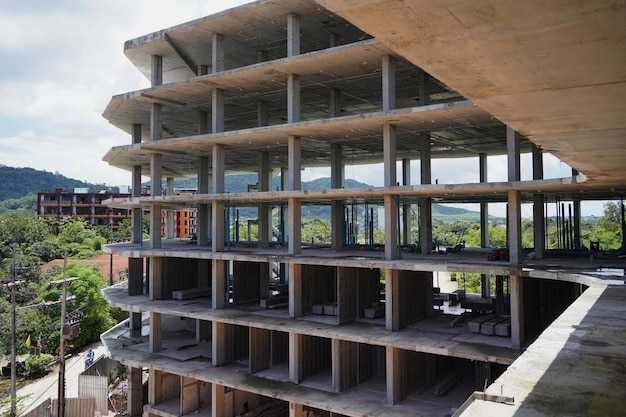
Projects Requiring Architects:
- Removing or adding load-bearing walls
- Changing roof lines or structure
- Adding floors or significant square footage
- Structural repairs or reinforcements
- Changes affecting building safety systems
Projects with Structural Complexity
Examples:
- Cantilevered structures
- Large open spans
- Complex roof designs
- Integration of modern systems into traditional structures
- Seismic considerations
Projects Requiring Permits
Thailand Building Permit Requirements:
- New construction
- Additions exceeding specific size thresholds
- Structural modifications
- Changes to egress or fire safety
- Commercial space modifications
The Architect’s Role:
- Prepare permit drawings
- Submit to local authorities
- Respond to plan check comments
- Obtain building permits
- Ensure construction complies with approved plans
When to Hire an Interior Designer
Renovations Without Structural Changes
Ideal Interior Design Projects:
- Kitchen renovations (within existing footprint)
- Bathroom updates
- Flooring replacements
- Painting and wall treatments
- Lighting updates (non-structural)
- Furniture and décor updates
Space Planning and Layout Optimization
When Interior Designers Excel:
- Furniture arrangement and space planning
- Traffic flow optimization
- Storage solution design
- Multi-functional space design
- Ergonomic considerations
Aesthetic Direction and Styling
Design Services:
- Color scheme development
- Material and finish selection
- Furniture and accessory sourcing
- Art selection and placement
- Styling and final presentation
Custom Millwork and Built-Ins
Interior Designer Expertise:
- Custom cabinetry design
- Built-in shelving and storage
- Wardrobe and closet systems
- Entertainment centers
- Home office built-ins
The Thai Context: Special Considerations
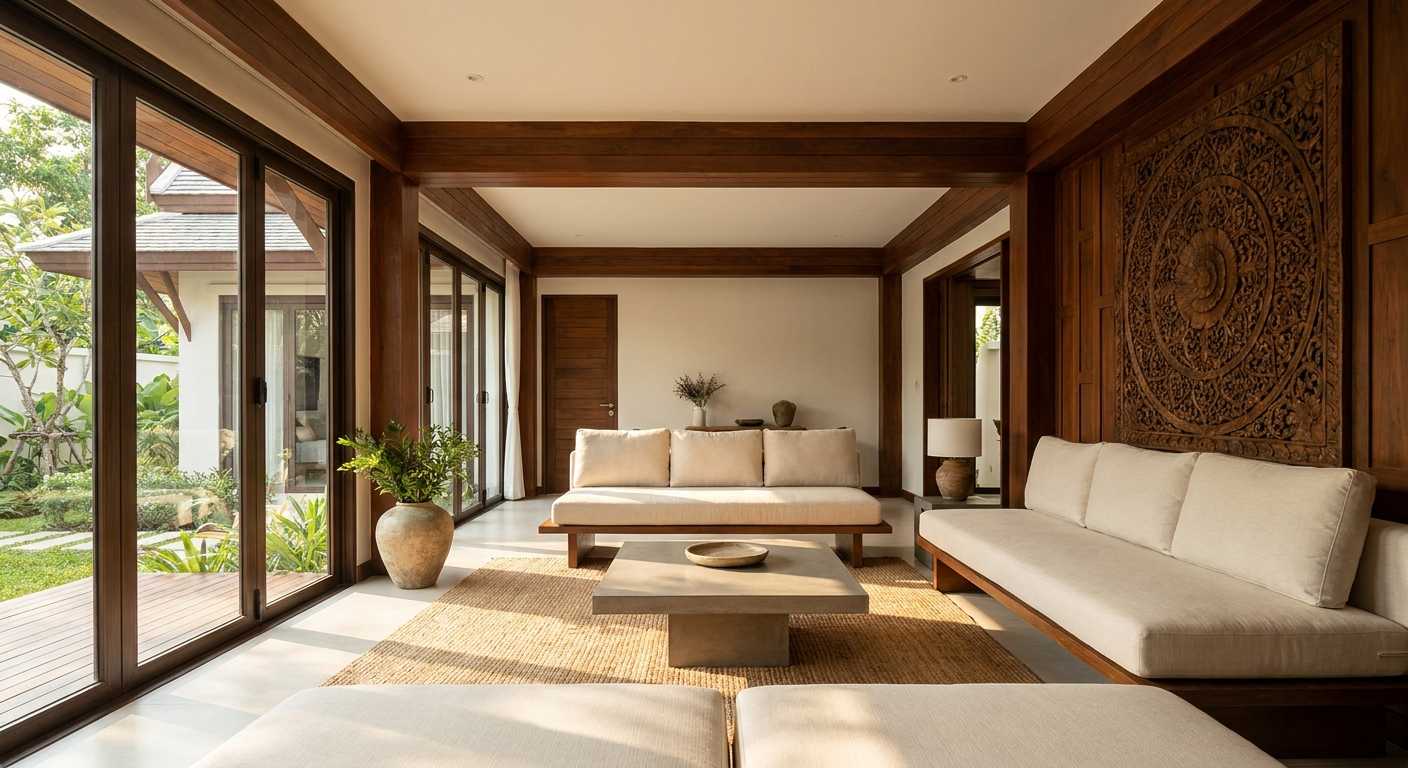
Traditional Thai Architecture
Unique Considerations:
- Preservation of traditional elements
- Integration of spirit houses (san phra phum)
- Respect for Buddhist design principles
- Climate-responsive traditional features
- Cultural sensitivity in modifications
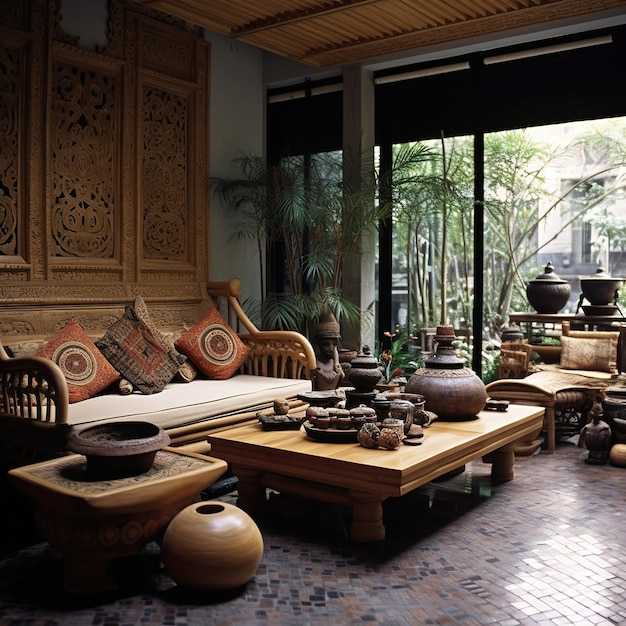
Professional Expertise:
- Architects: Structural integration of traditional and modern
- Interior Designers: Authentic Thai aesthetics and materials
Bangkok Condominium Regulations
Common Restrictions:
- Limited structural modifications
- Noise and work hour restrictions
- Common area modification prohibitions
- Balcony and exterior restrictions
- Fire safety system requirements
Who to Hire:
- Interior Designer: Most condo renovations (no structural changes)
- Architect: Required if modifying structural elements or MEP systems
Tropical Climate Design
Climate Considerations:
- Cross-ventilation optimization
- Humidity and mold prevention
- Sun shading and heat gain control
- Monsoon season water management
- Indoor-outdoor flow
Expertise Areas:
- Architect: Building envelope, orientation, structural weatherproofing
- Interior Designer: Material selection, humidity-resistant finishes, natural ventilation flow
Local Material Sourcing
Thai Materials:
- Teak and other hardwoods
- Local stone and tile
- Thai silk and textiles
- Traditional crafts and artwork
- Sustainable local options
Professional Networks:
- Architects: Structural material suppliers, contractors
- Interior Designers: Finish suppliers, furniture makers, artisans
Cost Comparison
Fee Structures
Architects in Thailand:
| Fee Type | Typical Range | Best For |
|---|---|---|
| Percentage of construction | 5-15% | Large projects, full service |
| Per square meter | 1,500-5,000 THB/sqm | New construction, clear scope |
| Fixed fee | Project-specific | Defined scope, limited changes |
| Hourly | 2,000-8,000 THB/hour | Consultations, small projects |
Interior Designers in Thailand:
| Fee Type | Typical Range | Best For |
|---|---|---|
| Percentage of project cost | 10-20% | Full furnishing projects |
| Per square meter | 1,000-4,000 THB/sqm | Space planning and design |
| Fixed fee | Project-specific | Defined scope |
| Hourly | 1,500-5,000 THB/hour | Consultations, styling |
| Cost-plus (procurement) | Cost + 15-30% | Furniture purchasing |
Typical Project Costs
Small Condo Renovation (50 sqm):
- Interior Designer only: 50,000-150,000 THB
- With architect consultation: +30,000-80,000 THB
House Renovation (200 sqm):
- Interior Designer: 200,000-600,000 THB
- Architect (structural): 150,000-400,000 THB
- Both (full service): 350,000-1,000,000 THB
New Construction (300 sqm):
- Architect (required): 450,000-1,500,000 THB
- Interior Designer: 300,000-900,000 THB
- Combined: 750,000-2,400,000 THB
Decision Framework: Which Professional Do You Need?
Question 1: Are You Building New or Renovating?
New Construction:
- Hire an architect (legally required for permits)
- Consider interior designer for interior finishes
Renovation:
- Proceed to Question 2
Question 2: Are Structural Changes Involved?
Yes (load-bearing walls, additions, structural repairs):
- Hire an architect (required for structural work and permits)
- May also hire interior designer for finishes
No (cosmetic changes, space planning, finishes):
- Hire an interior designer
- Architect not required
Question 3: What’s Your Primary Goal?
Structural changes, building systems, exterior:
- Architect
Aesthetics, furniture, space planning, finishes:
- Interior Designer
Both:
- Both professionals (collaborative approach)
Question 4: What’s Your Budget?
Limited budget, cosmetic changes only:
- Interior Designer (more cost-effective for non-structural work)
Comprehensive project, new construction:
- Architect (required) + optional interior designer
High-end finishes, custom elements:
- Both (for integrated design approach)
Working with Both Professionals
The Integrated Approach
For comprehensive projects, architects and interior designers collaborate:
Architect’s Role:
- Building structure and envelope
- Spatial planning (macro level)
- MEP systems integration
- Code compliance and permits
- Construction oversight
Interior Designer’s Role:
- Interior space planning (micro level)
- Finish and material selection
- Furniture and fixture specification
- Lighting design (interior)
- Styling and final presentation
Coordination and Communication
Successful Collaboration:
- Clear scope definition for each professional
- Regular coordination meetings
- Shared design vision
- Respect for each expertise area
- Integrated timeline planning
Typical Workflow:
- Architect develops building design
- Interior designer develops interior concepts
- Coordination of systems and details
- Integrated construction documents
- Collaborative construction administration
How to Hire the Right Professional
Vetting Architects in Thailand
Qualifications to Verify:
- COA (Council of Architects) license
- Professional liability insurance
- Portfolio of similar projects
- References from past clients
- Understanding of local building codes
Interview Questions:
- What is your experience with projects like mine?
- How do you handle permits and approvals?
- What is your fee structure?
- Who will be my primary contact?
- How do you manage project timelines?
Vetting Interior Designers in Thailand
Qualifications to Verify:
- TIDA membership (preferred)
- Educational background
- Portfolio demonstrating style match
- References and testimonials
- Procurement capabilities (if needed)
Interview Questions:
- What is your design process?
- How do you charge for your services?
- Can you work within my budget?
- How do you handle furniture procurement?
- What is your timeline for completion?
Red Flags to Avoid
For Both Professions:
- No portfolio or references
- Pressure to sign immediately
- Unusually low fees (corners being cut)
- Poor communication during initial meetings
- No written contract or scope definition
Specific to Architects:
- Unlicensed practice
- No professional liability insurance
- Unfamiliarity with local codes
- History of permit issues
Specific to Interior Designers:
- No design process explanation
- Pushy sales tactics for furniture
- No clear fee structure
- Unrealistic timelines
Common Scenarios and Recommendations
Scenario 1: Bangkok Condo Refresh
Project: Update 60 sqm condo—paint, flooring, kitchen cabinets, bathroom fixtures
Recommendation: Interior Designer only
Why: No structural changes, focus on aesthetics and finishes
Scenario 2: House Renovation with Addition
Project: Renovate 200 sqm house, add 50 sqm master suite
Recommendation: Architect (required) + Interior Designer
Why: Structural addition requires architect; interior designer for finishes
Scenario 3: New Villa Construction
Project: Build 400 sqm villa on Phuket
Recommendation: Architect (required) + Interior Designer
Why: New construction requires architect; interior designer for comprehensive interior design
Scenario 4: Commercial Space Fit-Out
Project: Restaurant or retail space in commercial building
Recommendation: Architect (for MEP and code compliance) + Interior Designer
Why: Commercial spaces have specific code requirements; both expertise needed
Scenario 5: Traditional Thai House Restoration
Project: Restore 100-year-old Thai house
Recommendation: Architect with heritage experience + Interior Designer with traditional expertise
Why: Structural and cultural sensitivity required
Conclusion: Making the Right Choice
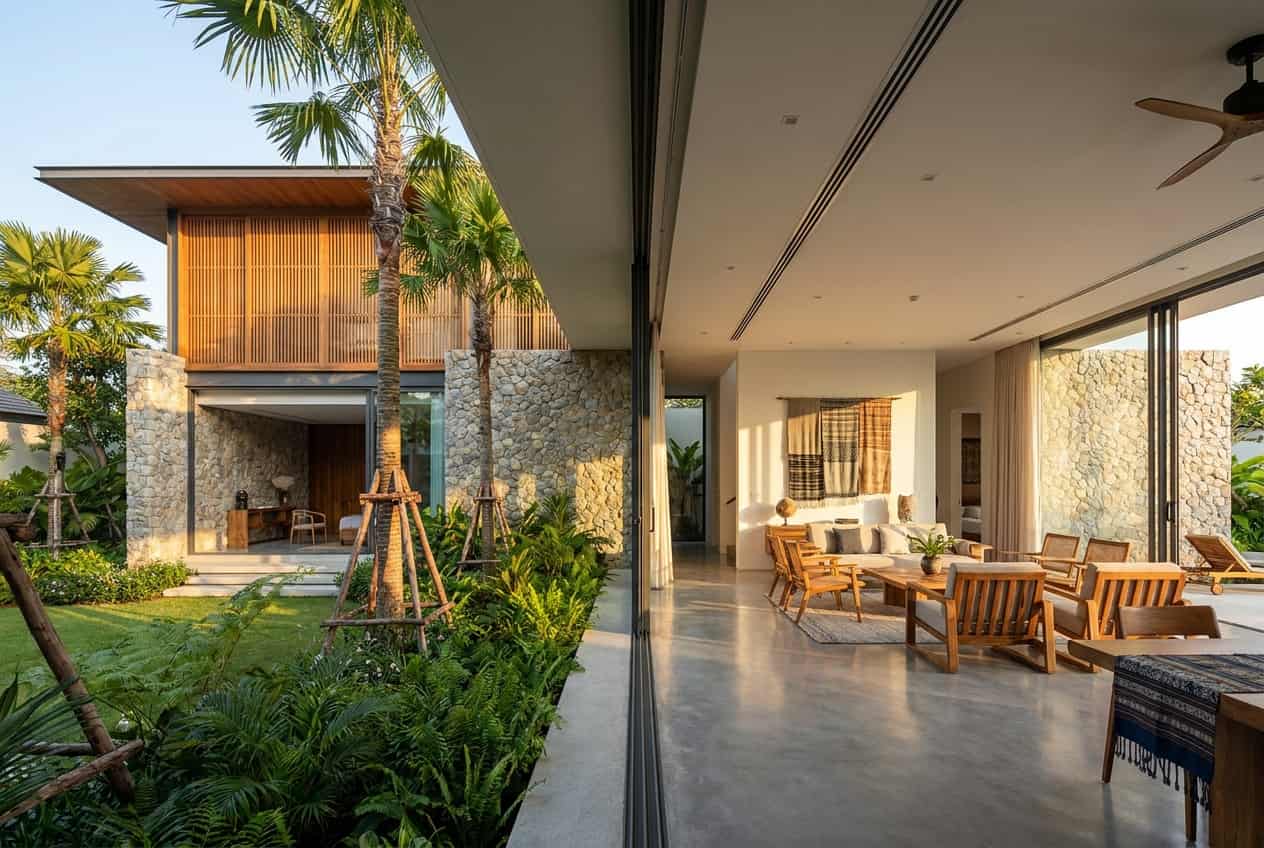
Choosing between an architect and an interior designer in Thailand ultimately comes down to the type of transformation your project requires. If your plans involve structural work, new construction, or permit-related changes, an architect is essential for safety, compliance, and technical execution. If your focus is on improving the look, feel, layout, and livability of a space, an interior designer brings the creative and functional expertise needed to elevate the result. For many homeowners and property owners, the best outcome comes from understanding where each profession adds the most value and matching that expertise to the project scope.
For clients seeking a refined, well-balanced approach to interior design Bangkok projects, Instyle Deco Paris brings together design sensitivity, practical planning, and a strong understanding of how to create spaces that feel both elegant and highly livable. Whether the goal is to refresh a condominium, reimagine a private residence, or shape a more cohesive lifestyle environment, Instyle Deco Paris helps turn design direction into a space that feels intentional, functional, and distinctly tailored to the client’s vision.
For professional architectural and interior design services in Thailand, contact Instyle Deco Paris.
*This guide provides general information. For specific project advice, consult with qualified professionals.*
Frequently Asked Questions
Can an interior designer do everything an architect does?
No. Interior designers cannot legally sign structural drawings or take responsibility for building code compliance in Thailand. For any structural work or new construction, a licensed architect is required.
Do I need both an architect and interior designer?
Not always. For renovations without structural changes, an interior designer may be sufficient. For new construction or structural work, an architect is required, and you may optionally add an interior designer for interior finishes.
How do architects and interior designers work together?
They collaborate with the architect focusing on building structure and systems while the interior designer handles interior finishes, furniture, and styling. Clear scope definition and regular communication ensure successful collaboration.
What if I only need furniture and décor help?
An interior designer is the right choice. Many offer furniture-only services or styling consultations without full design services.
Can I hire just an architect for everything?
Architects can handle interior space planning and basic finish selection, but for comprehensive interior design (furniture, styling, detailed finishes), an interior designer provides specialized expertise.
How much should I budget for design fees?
For new construction, budget 10-20% of total project cost for architectural and interior design fees combined. For renovations, 15-25% is typical, depending on scope.
Do Thai designers understand Western standards?
Many Thai architects and interior designers have international education and experience. Verify their background and portfolio for projects similar to your expectations.
Can foreign designers work in Thailand?
Foreign architects cannot sign Thai construction documents. They may consult, but a Thai-licensed architect must stamp drawings. Foreign interior designers may work on interiors without the same restrictions.
What about design-build firms?
Design-build firms offer both design and construction services. This can streamline the process but ensure the design team includes appropriate professionals (architect for structural work).
How long does the design process take?
Architectural design: 2-6 months depending on project complexity
Interior design: 1-4 months depending on scope
Combined projects: 3-8 months total